If you love houses with real presence, Chevy Chase probably gets your attention fast. The charm is easy to see, but the real decision usually comes down to what sits behind that charm: older systems, renovation choices, permit review, and the true cost of ownership. If you are considering a historic home here, this guide will help you understand the architecture, the maintenance priorities, and the budget tradeoffs that matter most. Let’s dive in.
Why Chevy Chase historic homes stand out
Chevy Chase grew as a planned streetcar suburb starting in the 1890s, shaped by early infrastructure, neighborhood planning, and a distinct suburban vision. That history still shows up today in the streetscape, from mature trees to deeper setbacks and homes that reflect early 20th-century design rather than later subdivision patterns.
On the Maryland side, Chevy Chase Village describes itself as a historic community of about 720 homes near the District, while the Town of Chevy Chase reports about 1,032 homes and roughly 3,000 residents. For you as a buyer or homeowner, that means historic housing here often feels cohesive without feeling cookie-cutter.
What many people respond to is the mix of preserved character and everyday livability. You are not just buying square footage. You are often buying into a setting with established landscaping, varied architecture, and a strong sense of place.
What architectural styles you may see
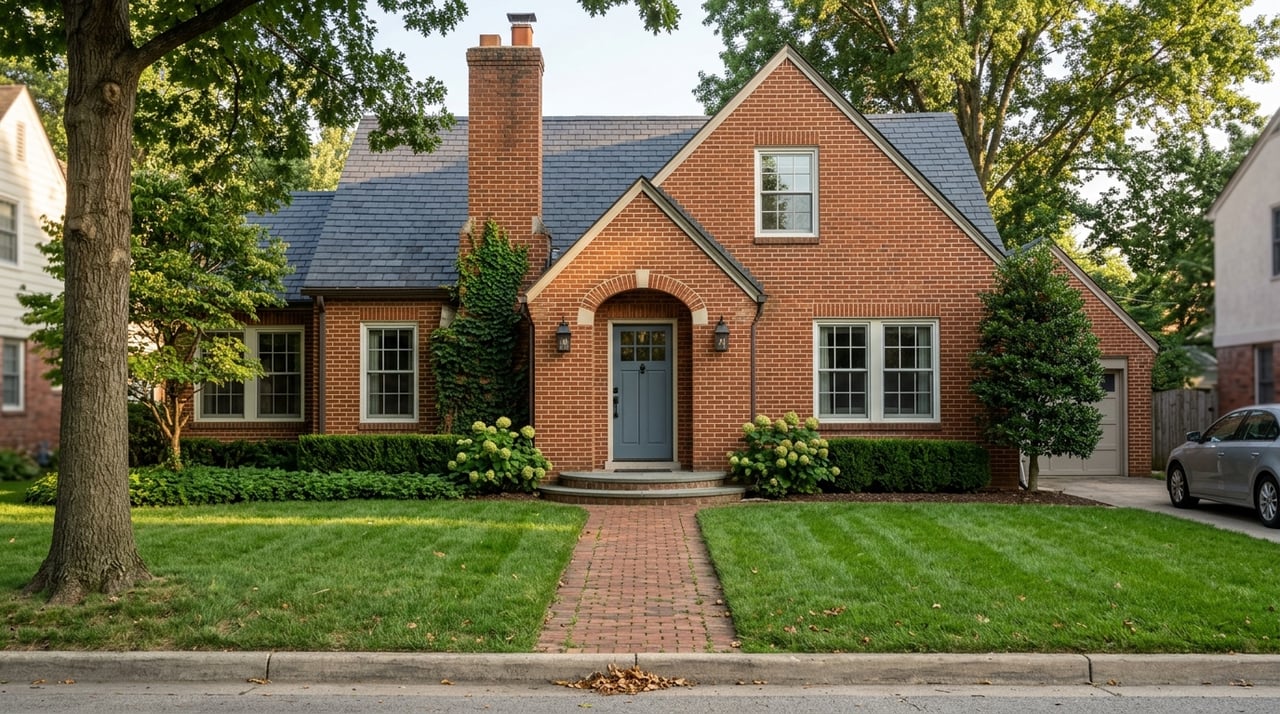
In Chevy Chase Village, the Maryland Historical Trust describes a large-scale suburban historic district with a strong Neo-classical image, along with Shingle, Colonial Revival, Tudor Revival, Arts and Crafts, and Mediterranean influences. Detached homes, landscaped lots, broad tree canopy, and setbacks of at least 25 feet help create the spacious feel many buyers notice right away.
Across the line in Chevy Chase, D.C., the housing stock is similar in age but somewhat different in mix. Office of Planning nomination materials describe a cohesive early- to mid-20th-century suburb with tree-lined streets, sizeable lots, detached and semi-detached homes, apartment buildings, churches, and a neighborhood commercial corridor.
Colonial Revival is the most prominent style in the proposed D.C. district, accounting for about 70% of the buildings in the nomination materials. You may also see Dutch Colonial Revival, Craftsman, Spanish Colonial Revival, Classical Revival, Renaissance Revival, and Tudor Revival.
How floor plans differ from newer homes
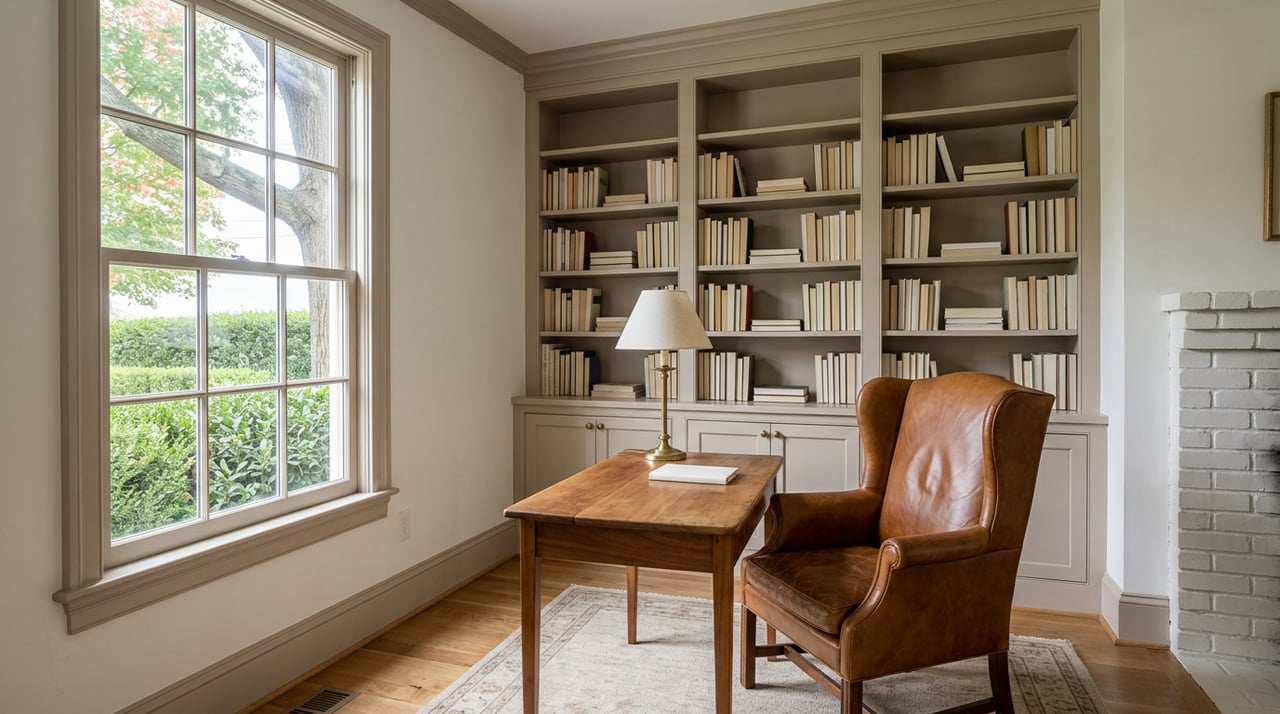
One of the biggest adjustments in a historic Chevy Chase home is often the layout. Many of these homes were designed before open-concept living became the norm, so rooms can feel more defined and more separate from one another.
In Chevy Chase, D.C., nomination documents reference center-hall and side-hall Colonial Revival plans. The American Foursquare, another common historic form, is described as having four nearly equal rooms on each floor.
That can be a plus or a minus depending on how you live. If you like formal rooms, quieter workspaces, or a home with a stronger sense of architectural rhythm, older plans can feel wonderfully grounded. If you want one large kitchen-family room, you may need to think carefully about renovation scope and cost.
The period details buyers love
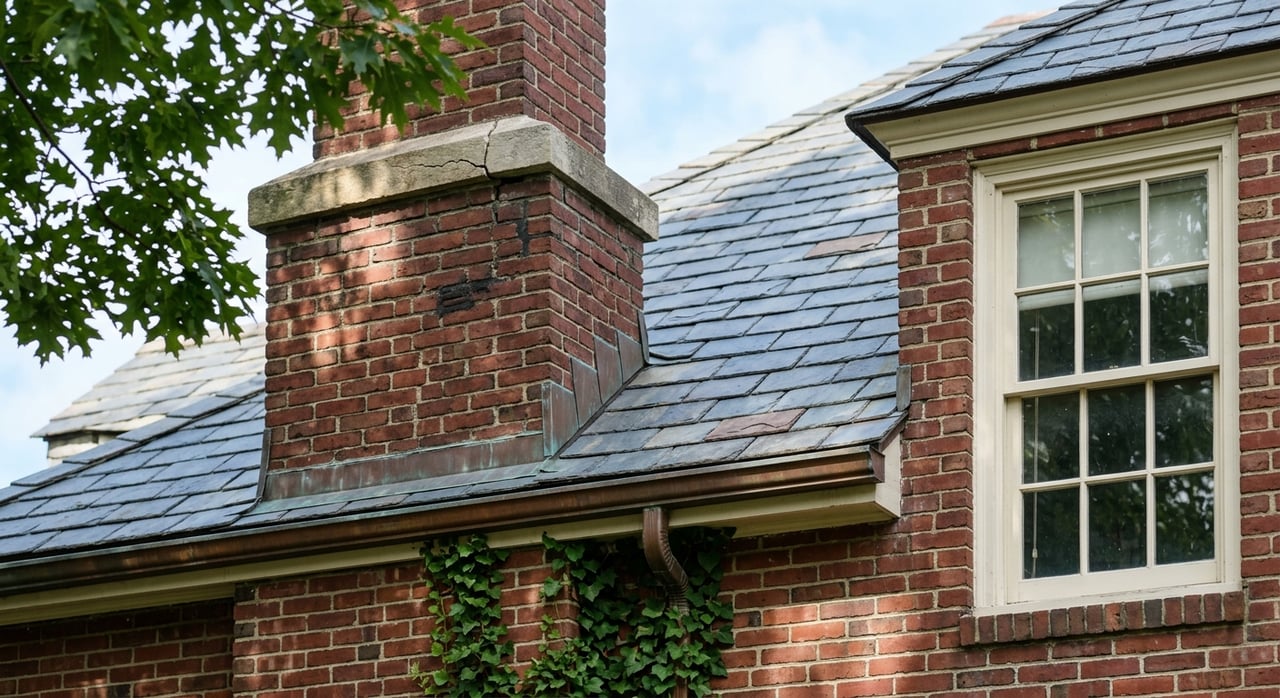
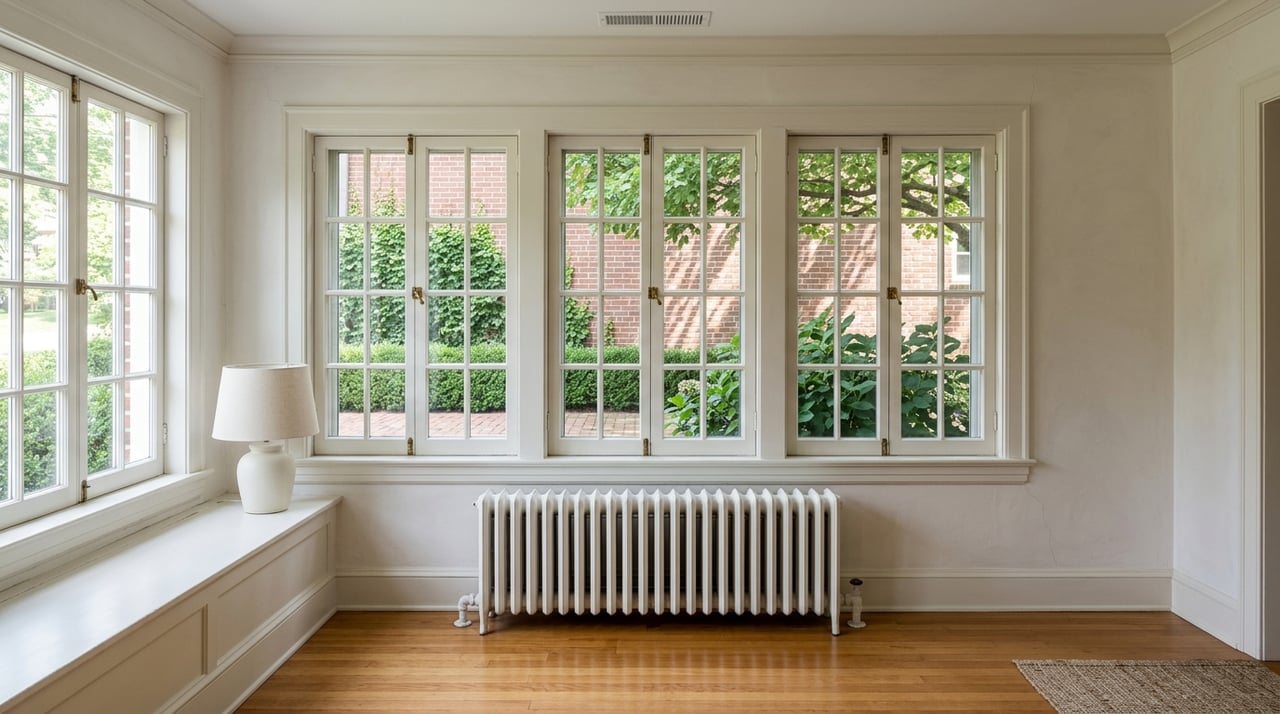
Historic homes in Chevy Chase often keep features that are hard to reproduce convincingly today. These can include porches, double-hung sash windows, masonry chimneys, and slate or other pitched roofs.
Those details matter because they shape both appearance and maintenance. Original materials can offer long life and visual richness, but they also require informed care rather than quick replacement decisions.
This is where a practical eye helps. When you look at an older home, it is worth seeing both the story and the systems at the same time.
What to expect from older systems
Historic houses can perform better than people assume, but they usually need more intentional upkeep. The National Park Service notes that many historic buildings were designed with inherent energy-saving features such as operable windows, strong daylighting, wide eaves, and heavy masonry walls.
At the same time, older homes often lose efficiency through air leaks and insulation gaps. Common trouble spots include windows and doors, attics, and wall assemblies that were built before modern energy standards.
If you are comparing a historic home with a newer one, the question is not just whether the house is old. The better question is whether key systems have been upgraded thoughtfully and whether the building envelope has been improved without damaging historic materials.
Why windows deserve a closer look
Windows are one of the biggest historic-home talking points, and they are often misunderstood. Preservation guidance from the National Park Service says the idea that replacement windows save as much as 50% in energy costs is not true.
The same guidance notes that historic windows can often last more than 100 years with maintenance. In many cases, repairing existing windows, sealing air leaks, and adding storm windows can be an effective efficiency strategy.
That matters for both cost and character. If you are budgeting for a Chevy Chase historic home, window decisions should be made carefully because they can affect comfort, appearance, and permit review on the Maryland side.
Where energy costs usually come from
Operating costs in an older home are often driven by a few major systems rather than by one dramatic flaw. The Department of Energy says heating can account for almost half of a typical family’s winter energy bill, while water heating can represent 14% to 25% of home energy use.
DOE also notes that duct leakage can waste up to 60% of heat at the registers, and windows can account for more than 25% of a typical home’s heat loss. In practical terms, that means your biggest savings may come from sealing, insulation, duct improvements, and HVAC performance rather than from cosmetic upgrades.
For many buyers, this is actually good news. Invisible improvements may not be as exciting as a new backsplash, but they often do more for comfort and long-term operating costs.
Smart upgrade priorities for Chevy Chase homes
If you are trying to modernize a historic house without stripping away its character, the usual best-first upgrades are the less visible ones. Preservation guidance points toward improving the envelope, upgrading HVAC and controls, adding insulation where appropriate, and using efficient appliances and systems that are compatible with the home.
Shading strategies can also help when they fit the house. The National Park Service specifically references options such as awnings or trees where they are compatible with the building’s character.
A sensible order of operations often looks like this:
- Seal obvious air leaks around windows and doors
- Evaluate attic and other insulation opportunities
- Inspect HVAC equipment, ducts, and controls
- Prioritize water-heating efficiency
- Choose efficient appliances and lighting
- Make finish upgrades after system performance is addressed
Renovation costs: a practical baseline
Renovating a historic home usually costs more when the work must balance modern function with older materials and design. A helpful way to think about cost is to separate preservation-sensitive work from standard cosmetic remodeling.
Montgomery County uses the Secretary of the Interior’s Standards for Rehabilitation as baseline guidance. In plain terms, that means work should retain historic character while still allowing the house to function as a modern home.
For rough budgeting, national 2024 Cost vs. Value averages offer a useful baseline, even though they are not Chevy Chase-specific. Here are several figures that can help frame expectations:
| Project | National average cost |
|---|---|
| Minor midrange kitchen remodel | $27,492 |
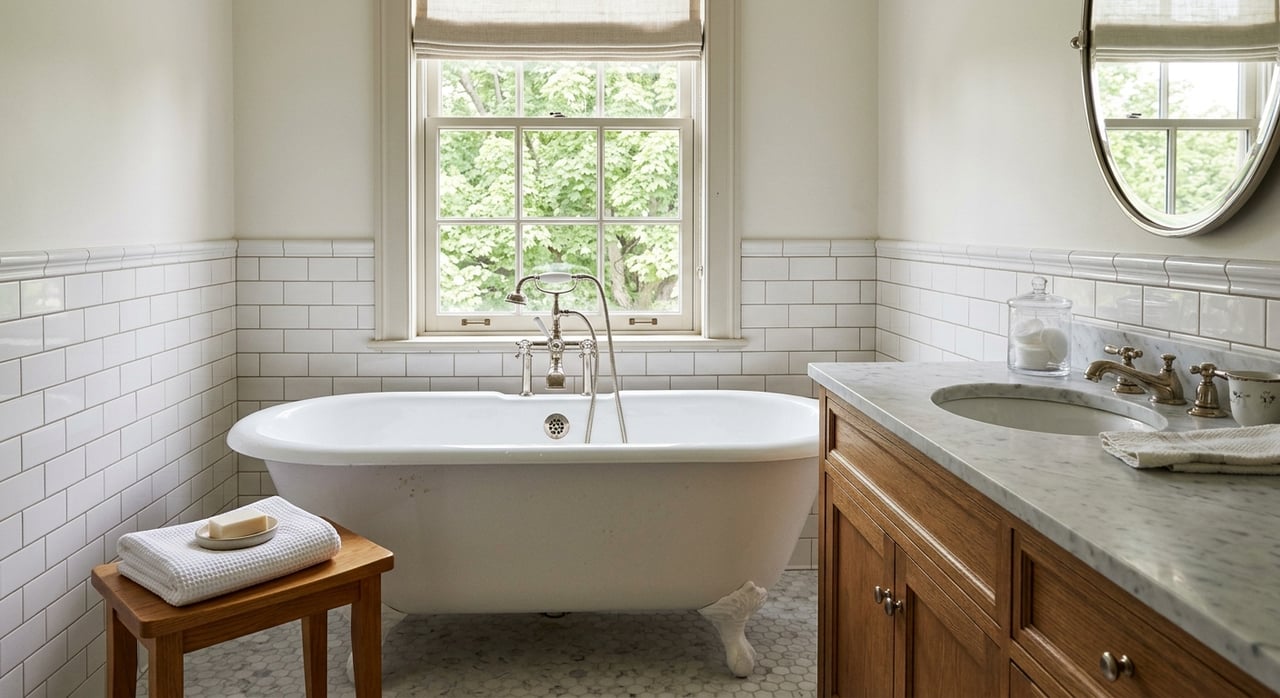
| Midrange bath remodel | $25,251 |
| Wood window replacement | $25,799 |
| Asphalt-shingle roof replacement | $30,680 |
| HVAC conversion or electrification | $18,800 |
| Major midrange kitchen remodel | $79,982 |
Historic-home projects in Chevy Chase can land above these figures depending on scope, materials, and review requirements. The key is to build a budget around the actual condition of the house, not just a wish list.
Permits and review in Chevy Chase, Maryland
If you are looking on the Maryland side, exterior work may involve historic review. Montgomery County says a Historic Area Work Permit, or HAWP, is required for exterior changes to a historic site or to a building in a historic district.
That includes work such as window replacement, siding or roof replacement, additions, fences, decks, and other visible exterior changes. Interior changes and ordinary maintenance generally do not require a HAWP.
The county also states that the HAWP review process does not exceed 45 days. For planning purposes, that means renovation timing should include not just construction schedules but also review time before work begins.
Chevy Chase Village adds another layer
In Chevy Chase Village, there may be municipal review before a HAWP application is filed. Montgomery Planning notes that municipal review may be needed first, and local village guidelines focus on preserving the district’s sense of time and place.
Those guidelines also provide an important nuance: review is concentrated on work visible from the front or side public right-of-way. Rear changes are described as being reviewed very leniently.
That distinction matters if you are worried that every single improvement will be treated the same way. In many cases, visibility and impact on the public streetscape are central to how exterior work is evaluated.
What about Chevy Chase, D.C.?
On the D.C. side, the situation is different. The current Office of Planning page still lists Chevy Chase as a pending historic district nomination rather than a fully designated district.
The same page says pending historic district nominations are not protected by historic preservation law before a hearing, although pending landmark nominations are protected. So if you are comparing homes across the Maryland and D.C. sides of Chevy Chase, the preservation review framework is not identical.
That is one reason local, property-specific guidance matters. Two homes with similar age and style can come with very different renovation paths depending on jurisdiction and designation status.
What this means for your budget
For most buyers, the biggest money questions in a Chevy Chase historic home come down to five areas:
- Windows and air sealing strategy
- Roofing material and remaining life
- HVAC condition, efficiency, and duct performance
- Kitchen and bath scope
- Modernization costs that improve function without erasing character
The right budget is rarely just about the purchase price. It is about what the house will need over the next few years and which improvements will actually improve comfort, usability, and long-term value.
If you are shopping in Chevy Chase, this is where a calm, technical approach can save you from both underestimating costs and over-improving the wrong things. A beautiful old house tends to reward thoughtful planning.
Whether you are buying, selling, or weighing a renovation-upside property, the best next step is to look at the home as both a character asset and a system-by-system project. If you want practical guidance on how to evaluate charm, condition, and budget in the Chevy Chase market, Dallen Russell can help you think it through. Coffee’s on me.
FAQs
What makes a Chevy Chase home feel historic?
- In Chevy Chase, historic homes are often tied to the area’s development as a planned streetcar suburb beginning in the 1890s, with early-20th-century architecture, mature trees, landscaped lots, and deeper setbacks.
What architectural styles are common in Chevy Chase historic homes?
- On the Maryland side, you may see Neo-classical, Shingle, Colonial Revival, Tudor Revival, Arts and Crafts, and Mediterranean influences. In Chevy Chase, D.C., Colonial Revival is especially prominent, along with Dutch Colonial Revival, Craftsman, Spanish Colonial Revival, Classical Revival, Renaissance Revival, and Tudor Revival.
Are historic homes in Chevy Chase less energy efficient?
- Not necessarily. Many historic homes were designed with features like operable windows, daylighting, wide eaves, and heavy masonry walls, but they often need better air sealing, insulation, and HVAC performance to operate efficiently.
Should you replace original windows in a Chevy Chase historic home?
- Not automatically. National Park Service guidance says historic windows can often last more than 100 years with maintenance, and repairing them, sealing leaks, and adding storm windows may be an effective alternative to full replacement.
Do exterior renovations in Chevy Chase, Maryland require a permit review?
- Yes, many visible exterior changes may require a Historic Area Work Permit in Montgomery County, including items such as window replacement, roof replacement, additions, fences, and decks. Interior changes and ordinary maintenance generally do not require a HAWP.
How long does the HAWP process take in Montgomery County?
- Montgomery County says the Historic Area Work Permit review process does not exceed 45 days.
Are renovation rules the same in Chevy Chase, Maryland and Chevy Chase, D.C.?
- No. On the Maryland side, historic review rules may apply through Montgomery County and, in some areas, municipal review. In Chevy Chase, D.C., the broader district is currently listed as a pending historic district nomination rather than a fully designated district.
What renovation costs should buyers budget for in a Chevy Chase historic home?
- The most important budget categories are often windows, roofing, HVAC, kitchen and bath updates, and broader modernization work. National 2024 averages provide a baseline, but actual costs can vary based on scope, materials, and review requirements.