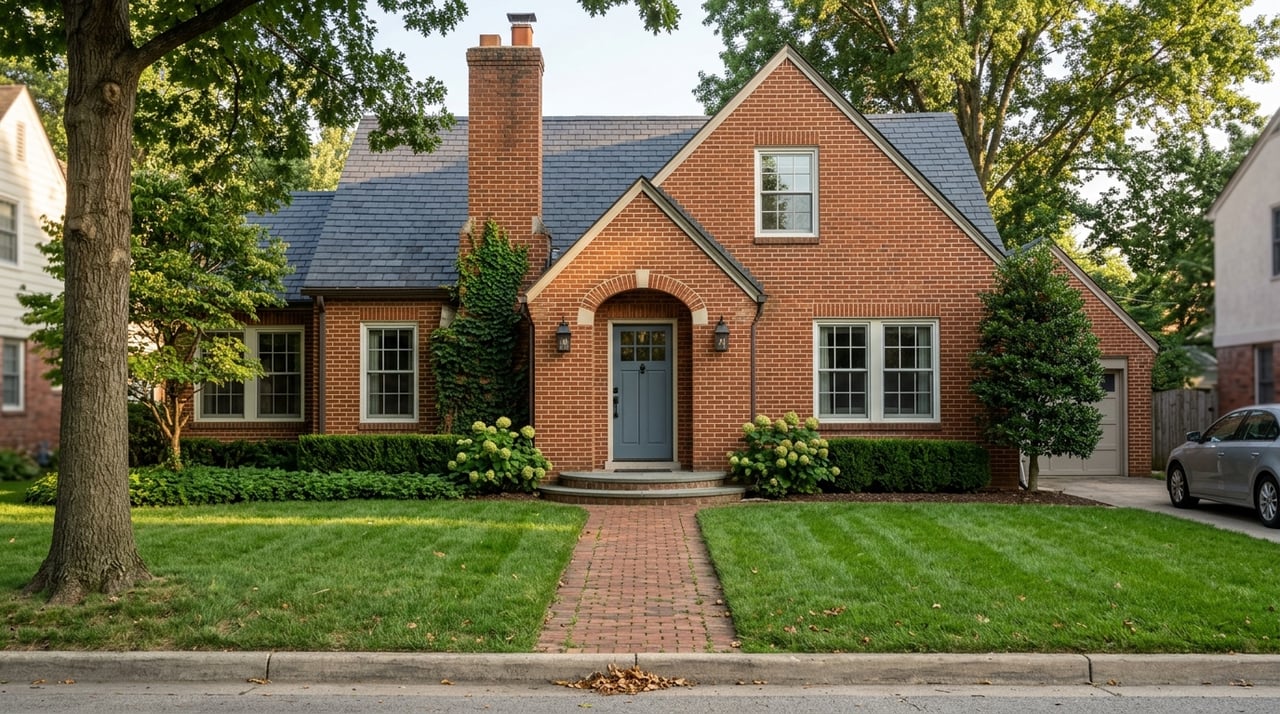
Buying a fixer-upper in Bethesda can look like a smart way to break into a pricey market, but the wrong purchase can turn “good bones” into an expensive lesson fast. If you are weighing a home with upside, you need more than a vision board and a rough contractor estimate. You need a clear way to judge age, scope, permits, and resale math before you commit. Let’s dive in.
Why Bethesda fixer-uppers need extra caution
Bethesda has a large share of older housing stock, which is one reason fixer-uppers show up here in the first place. In the 2020-2024 ACS data, about 61.4% of housing units were built before 1980, and 68.2% were built before 1990. The biggest construction eras were the 1950s, 1960s, and 1970s.
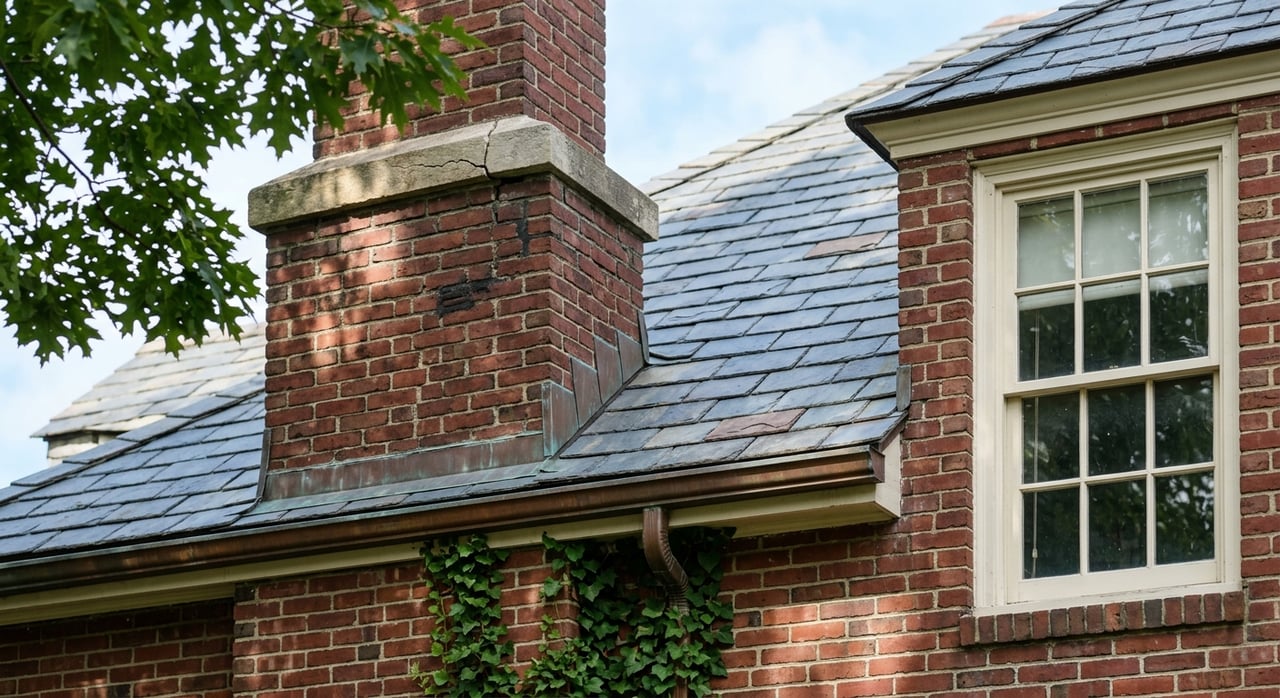
That matters because older homes often need more than cosmetic updates. You may be looking at aging roofs, older windows, dated HVAC, electrical upgrades, plumbing work, or poor insulation. In other words, the real budget risk is often behind the walls, not in the countertops.
Bethesda is also still a house-oriented market, with 52.9% of units classified as detached single-family homes. For buyers, that creates opportunity, but it also means many projects involve whole-home systems rather than just interior finishes. That is a big reason some fixer-uppers are priced attractively at first glance but become expensive once the real scope comes into focus.
Start with the all-in number
The easiest way to overpay is to focus only on the purchase price. In Bethesda, you need to look at the all-in number: purchase price, renovation costs, permit costs, compliance costs, and the time needed to complete the work.
This matters even more in a market where pricing is already high. Redfin reported a March 2026 median sale price in Bethesda of $1.22 million, with homes receiving about three offers on average and selling in 32 days. Zillow also showed Bethesda as a high-cost, fast-moving market, with a typical home value above $1.15 million and a median time to pending of 19 days.
When competition is strong, it is easy to tell yourself a rough property has plenty of room for upside. Sometimes that is true. But in a market with expensive homes and tight resale ceilings by pocket, the margin for error can shrink quickly.
Use renovated comps, not hope
If you want to avoid overpaying, your best starting point is after-repair value, often called ARV. The safest way to think about ARV in Bethesda is simple: compare the home to recent sold properties that were already renovated in the same pocket, then subtract a realistic rehab budget and related project costs.
That “same pocket” point matters. Bethesda is not one flat pricing map, and sale price per square foot can make a big difference when you are sizing up the spread between a rough home and a finished one. Redfin’s March 2026 data showed a median sale price per square foot of $499, which makes size-adjusted comping especially important.
A fixer-upper is not automatically a deal just because it is priced below nearby turnkey homes. If the home needs more work than the price gap justifies, or if the finished value would still bump into the local resale ceiling, you may be buying the problem instead of the opportunity.
Know where renovation budgets usually go
In Bethesda, buyers often underestimate the cost of stacking several “normal” projects into one plan. A home that needs a kitchen, bath, roof, and windows can move into six-figure territory quickly.
The 2025 Cost vs Value report for the Middle Atlantic region offers useful benchmarks for setting expectations. These are not Bethesda-specific bids, but they are a strong budgeting reference point when you are screening opportunities.
| Project | Approximate Cost | Average Cost Recouped |
|---|---|---|
| Minor kitchen remodel, midrange | $31,212 | 107.2% |
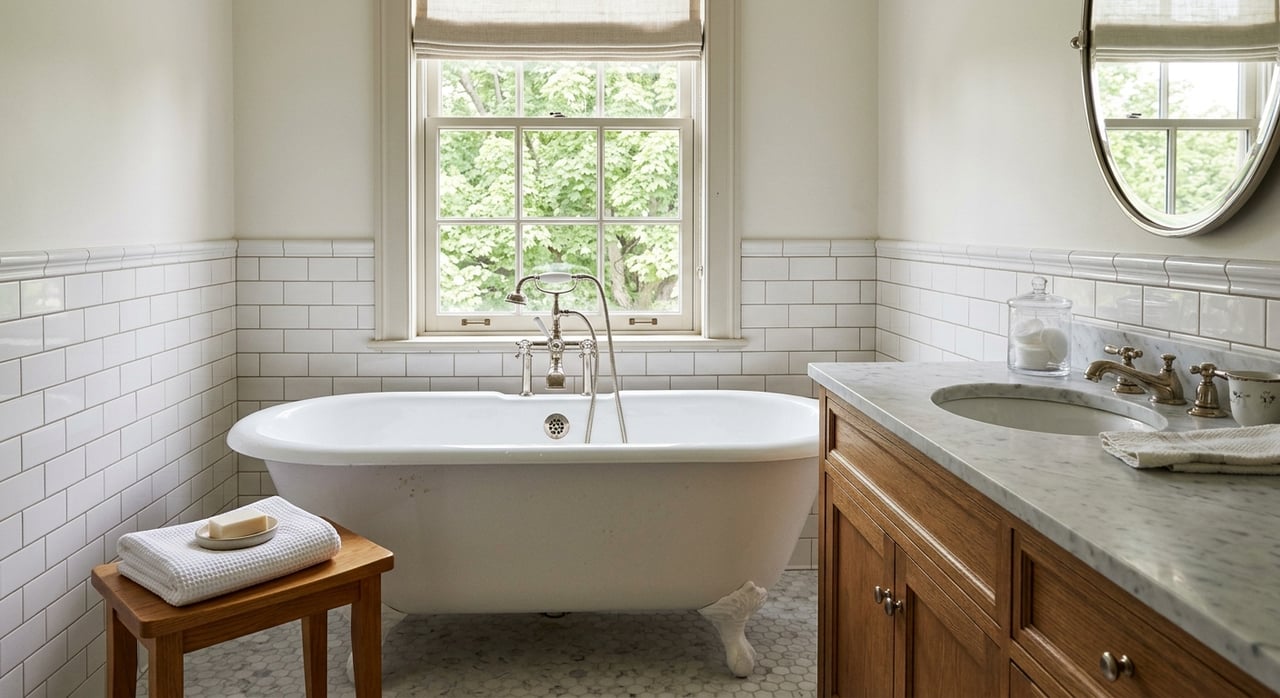
| Midrange bath remodel | $30,158 | 79.9% |
| Vinyl window replacement | $23,986 | 64.1% |
| Asphalt-shingle roof replacement | $37,201 | 58.3% |
| Basement remodel | $60,644 | 63.4% |
| Major kitchen remodel, midrange | $89,679 | 49.0% |
| Bathroom addition, midrange | $69,715 | 55.1% |
| HVAC conversion or electrification | $23,450 | 68.8% |
The big takeaway is that smaller, targeted improvements often work better than major gut jobs when resale matters. A minor kitchen remodel had a much stronger resale profile than a major kitchen remodel in the regional data. That does not mean you should never take on a large project, but it does mean the purchase price has to leave room for the kind of scope you are actually inheriting.
Separate cosmetic work from systems work
Not all fixer-uppers are equal. A home with dated finishes but solid systems is a very different buy from a home with old paint, old wiring, old HVAC, and a failing roof.
A simple way to think about this is to divide the work into two buckets:
- Cosmetic work: paint, fixtures, cabinets, floor coverings, surface updates
- Systems and envelope work: roof, windows, plumbing, electrical, HVAC, insulation, structural or water-related issues
Cosmetic projects are easier to price and easier to control. Systems work is where budgets often expand, timelines stretch, and negotiating leverage matters most.
If you are choosing between two homes at a similar price, the one with tired finishes and understandable mechanical risk is often the safer bet than the one with broad unknowns. The best fixer-upper deals are usually not the most dramatic projects. They are the ones where the work is clear, manageable, and supported by nearby resale evidence.
Factor in lead-safe renovation planning
Because so much of Bethesda’s housing stock predates 1978, lead-safe renovation planning can be part of the equation. According to the EPA, renovation, repair, or painting work in pre-1978 homes that disturbs painted surfaces can create dangerous lead dust, and firms doing that work must be certified and use lead-safe practices.
For you as a buyer, this is not just a health and safety issue. It can also affect cost, contractor selection, and project sequencing. If the home was built before 1978, that should be part of your upfront due diligence and your renovation budget assumptions.
Understand Montgomery County permit realities
Another way buyers overpay is by assuming the work is simpler than the county sees it. In Montgomery County, many common renovation items do require permits.
According to Montgomery County Department of Permitting Services, you will likely need a permit for:
- Additions
- Decks
- Electrical work
- Interior alterations
- HVAC heating replacement
- Plumbing
- Exterior work on historic property
Some work generally does not require a permit, including painting, cabinets, floor coverings, gutters and downspouts, roof covering only, and windows or doors replaced in kind without changing the opening size. Even then, the work still must comply with code and other ordinances.
This matters for budgeting because permit-friendly projects are usually easier to schedule and control than projects that trigger multiple approvals. If your plan includes electrical, plumbing, HVAC, layout changes, or exterior changes in a protected setting, the timeline and cost assumptions should reflect that.
Watch for historic and utility-related approvals
Some Bethesda properties come with an extra review layer. For designated historic resources or historic districts, Montgomery Planning requires a Historic Area Work Permit for exterior changes. That can apply even to changes not visible from the street, and it may also apply to new construction, grading, and removing live trees over 6 inches in diameter.
The Historic Preservation Commission usually meets on the second and fourth Wednesdays of each month, and applications generally must be filed three weeks before the meeting. That timing can affect renovation plans more than many buyers expect.
There is also a separate layer for plumbing and natural gas work. WSSC handles permits and inspections for plumbing and natural gas piping or appliance installation, and Montgomery County inspectors will not close in or finalize a permit without approved WSSC rough-in or final inspections. If a home needs major mechanical work, that coordination should be part of your timeline from day one.
Check contractor and property restrictions early
Montgomery County says homeowners may apply for permits in their own name, but if a contractor is doing the work, the county strongly suggests listing that contractor on the permit and requires the contractor to hold a Maryland Home Improvement Commission license to obtain it. Permits are filed electronically, and filing fees are nonrefundable.
You should also confirm whether private rules affect the property. County guidance notes that HOA rules or other local bylaws may add requirements beyond county permits. So even if the county path looks straightforward, private restrictions may still shape what you can do and how quickly you can do it.
A practical screen for fixer-upper value
Before you make an offer, it helps to run the property through a simple filter. A fixer-upper in Bethesda may be worth pursuing when most of the following are true:
- The needed work is easy to identify
- The renovation scope is limited enough to price with confidence
- The project is largely permit-friendly or the permit path is clear
- Recent renovated comps in the same area support the all-in number
- The purchase price leaves room for compliance and timeline risk
- The plan does not rely on a major resale premium to work
On the other hand, caution is warranted when the home appears to need multiple major systems at once, historic approvals, lead-safe work, and a large design overhaul. That kind of stack can make a property feel cheaper than it really is.
The smartest fixer-uppers are often boring
This may sound counterintuitive, but the best Bethesda fixer-upper is often not the one with the biggest transformation potential. It is the one where the path to improvement is clear, the scope is disciplined, and the resale math still works without heroic assumptions.
That usually means buying with a calm eye, not an emotional one. If you can match realistic renovation costs to local renovated sales and leave room for permits, compliance, and surprises, you are far less likely to overpay.
A fixer-upper can absolutely be the right move in Bethesda. You just want the kind of upside that is measurable, not imagined.
If you want help sizing up a Bethesda fixer-upper before you write an offer, Dallen Russell brings a practical remodeling eye to the buying process, along with high-touch guidance from search to closing. Book a free consultation. Coffee’s on me.
FAQs
What makes Bethesda fixer-uppers riskier than they first appear?
- Many Bethesda homes were built before 1980, so needed work may include older roofs, windows, HVAC, plumbing, electrical, and insulation, not just cosmetic updates.
How should Bethesda buyers estimate fixer-upper value?
- Start with recent sold renovated comps in the same Bethesda pocket, then subtract a realistic rehab budget plus permit, compliance, and timeline-related costs.
Which renovation projects in Bethesda tend to give better resale efficiency?
- The Middle Atlantic Cost vs Value data suggest smaller targeted projects, especially a minor kitchen remodel, often perform better on resale than major gut renovations.
When do Montgomery County permits matter for a Bethesda renovation?
- Permits are commonly needed for additions, decks, electrical work, interior alterations, HVAC heating replacement, plumbing, and exterior work on historic property.
What should Bethesda buyers know about historic-property approvals?
- For designated historic resources or districts, exterior changes may require a Historic Area Work Permit, and review timing can affect your renovation schedule.
Why does a pre-1978 Bethesda home need extra renovation planning?
- Work that disturbs painted surfaces in pre-1978 homes can create dangerous lead dust, so certified firms using lead-safe practices may be required.