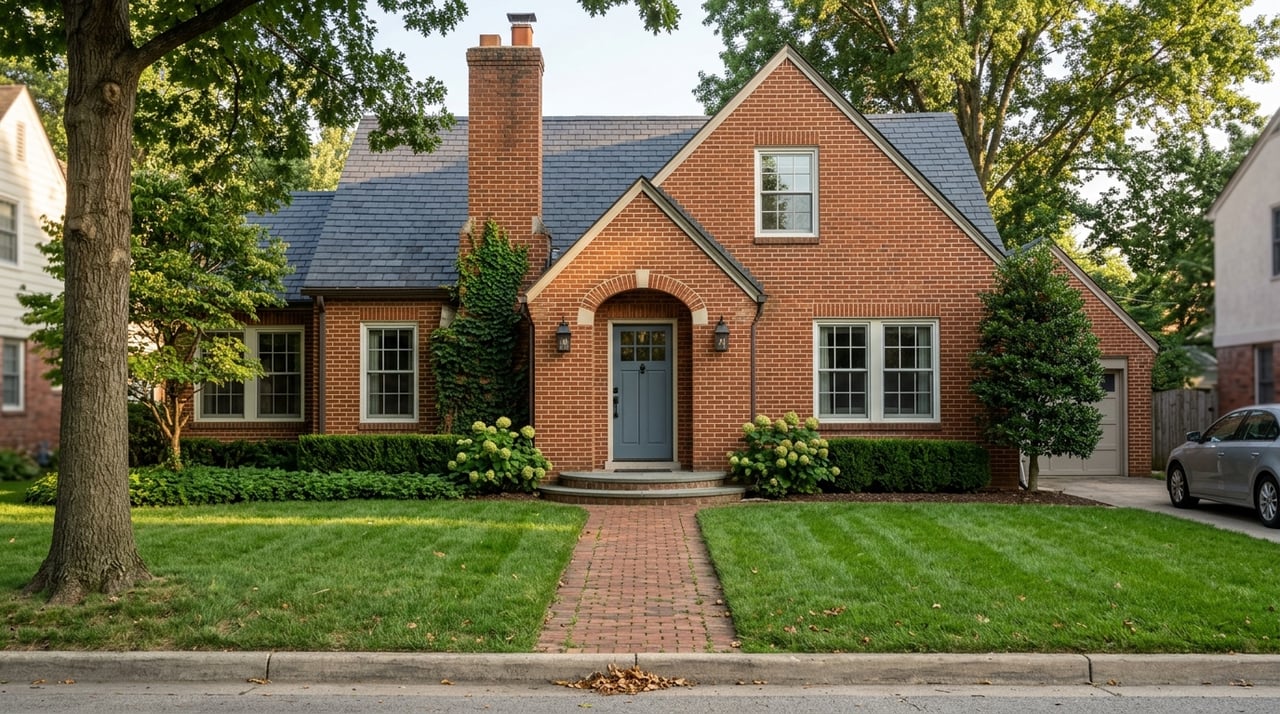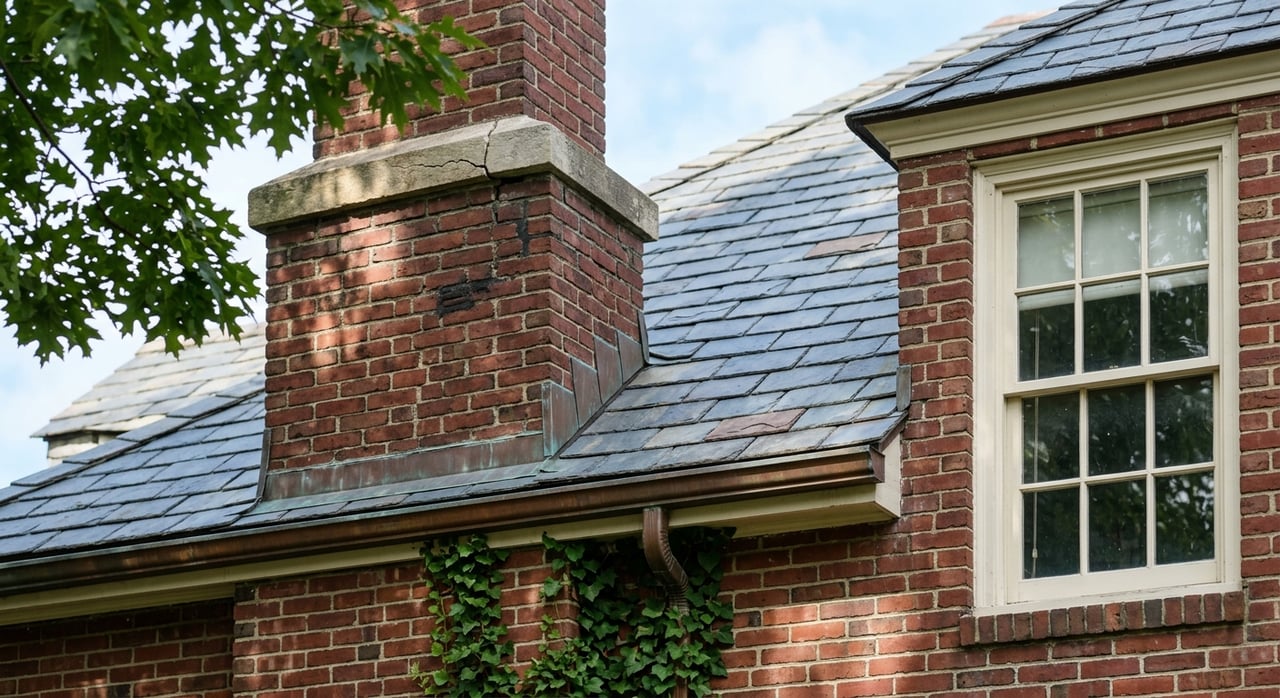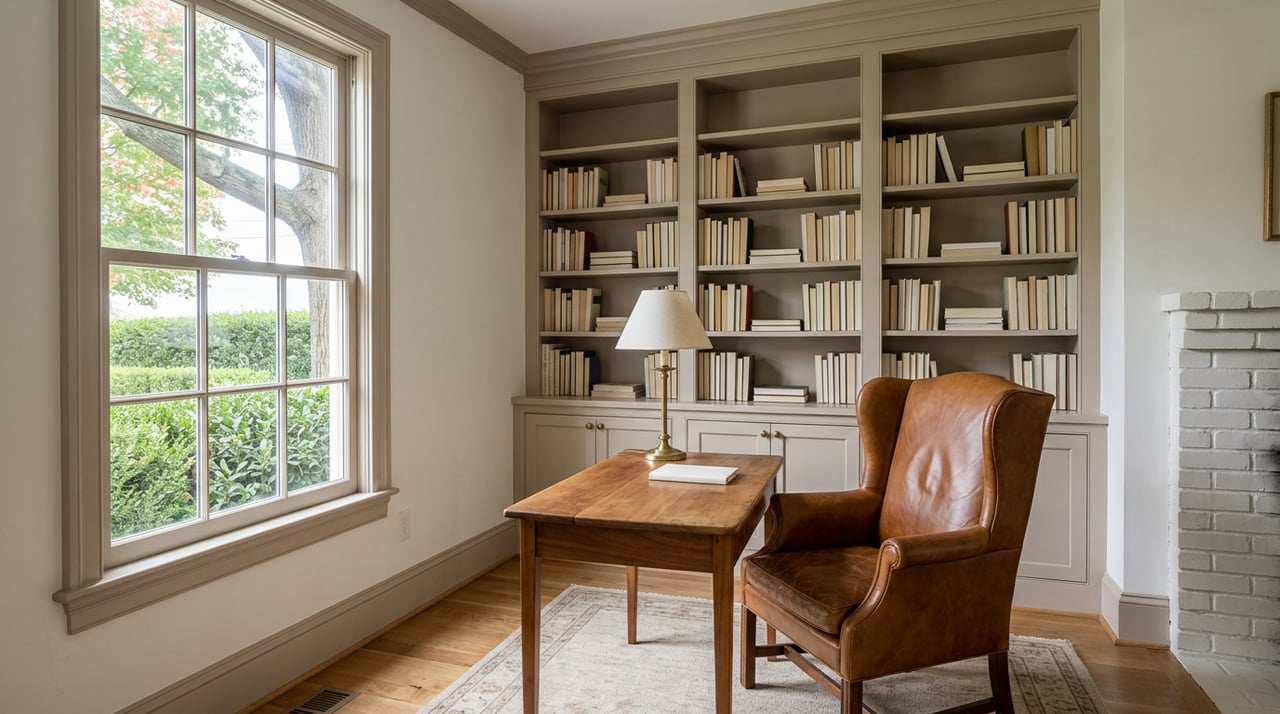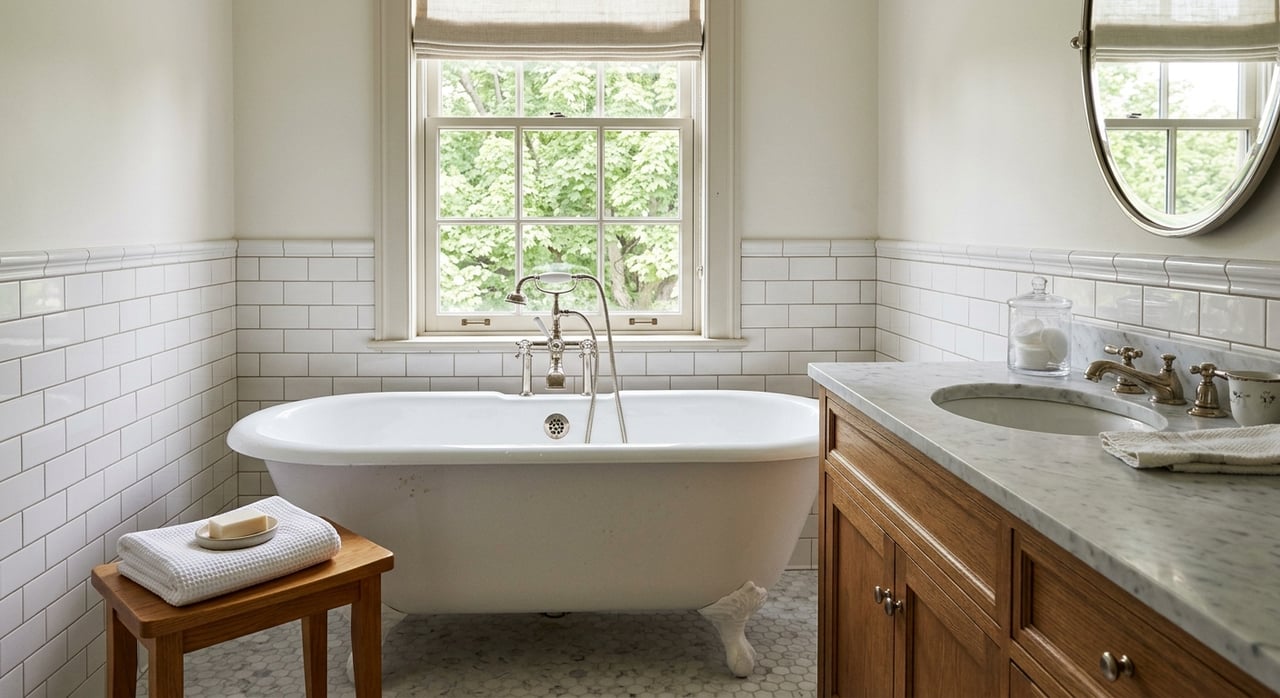
Wondering whether your Arlington renovation justifies a premium price? That is one of the biggest questions sellers face, especially when you have invested real money, time, and energy into improving the home. The good news is that Arlington buyers do pay for move-in-ready condition, but the market still rewards pricing discipline over wishful thinking. If you want to sell confidently and avoid becoming the listing that sits, this guide will show you how to price a renovated Arlington home the smart way. Let’s dive in.
Start With Arlington’s Current Market
Arlington remains a competitive seller market, but it is not a blank check. Recent data points vary by source and timing, yet they tell a similar story: well-presented homes are still moving quickly and often close near asking price.
Redfin reported a March 2026 median sale price of $815,000, 31 median days on market, and a 100.7% sale-to-list ratio. Realtor.com showed a 100% sale-to-list ratio and 26 median days on market, while Bright MLS and NVAR reported a median sold price of $928,846, just 7 days on market, and 2.18 months of supply in April 2026. In plain terms, buyers are active, but they are still comparing value carefully.
Price Your Home by Micro-Market
Countywide averages can be useful, but they should never be your only guide in Arlington. Pricing in this market is highly neighborhood and zip-code specific, which matters even more for a renovated home trying to stand out.
Realtor.com’s zip-code data shows how wide the range can be. Median listing prices ran from about $442,450 in 22203 to $1.874 million in 22213, with 22201 at $850,000 and 22207 at $1.7725 million. That spread is a strong reminder that your home should be priced against the homes buyers will actually cross-shop, not against a county average that may reflect very different product.
Why Local Competition Matters
A renovated bungalow in one part of Arlington is not competing with every renovated home in the county. It is competing with homes of similar size, lot, age, layout, and finish level in the same immediate market area.
This is especially important in Arlington because the housing stock varies so much. Arlington County has stated that roughly 75% of its single-family homes were built before 1960, which means buyers may be comparing your updated older home against both partially updated properties and newer infill homes with a very different price structure.
Use Comparable Sales, Not Renovation Cost
This is the most important pricing rule. Your list price should be anchored to recent comparable sales, not to what you spent on the renovation.
The basic valuation logic is straightforward: compare your home with recent sales of similar homes nearby and adjust for differences in features, condition, size, age, and updates. That means the strongest comp set for a renovated Arlington home will include properties that match your home’s location, style, condition, and renovation quality as closely as possible.
Why Renovation Budgets Mislead Sellers
It is natural to want the market to pay you back for every dollar you spent. In reality, resale value does not work that way.
National remodeling data shows that cost recovery varies widely by project type. A garage door replacement can recover far more than its cost, while a minor kitchen remodel may recover much more than a major upscale kitchen overhaul. The more complex and customized the project, the more likely it is that the buyer pool narrows and the return drops.
What Buyers Actually Pay For
Buyers tend to pay for usefulness, condition, and confidence. They respond to updates that make the home feel easier to own, easier to move into, and easier to understand.
That usually means clean finishes, smart layouts, updated systems, and cohesive presentation matter more than expensive custom choices that only appeal to a smaller audience. A beautiful renovation can support a stronger price, but only if it still fits the comp range for similar homes in your part of Arlington.
Decide Whether Your Renovation Earns a Premium
Not every renovation deserves the same pricing bump. Some updates make your home more competitive, while others simply help it meet the standard buyers already expect.
If your home offers a noticeably better condition than nearby comps, a more polished finish level, or improvements that make daily living easier, a premium may be justified. But that premium still needs to stay grounded in what comparable buyers have recently paid for similar homes.
Signs a Premium May Be Reasonable
You may be able to price above the middle of the comp range if your home offers:
- A clearly more complete renovation than nearby listings
- Better overall condition room to room
- Strong presentation through staging, photography, and floor plan clarity
- Upgrades that feel broad and practical rather than highly personal
- Documentation that supports the quality of the work when relevant
Signs You Should Stay Conservative
A more cautious price is usually smarter if:
- Your finishes are highly customized
- The renovation focused heavily on taste rather than function
- Nearby renovated sales already set a clear ceiling
- Your home still competes with newer product nearby
- Buyers may question whether the premium matches the location or layout
Presentation Shapes Perceived Value
A renovated home does not sell on finishes alone. Buyers interpret value through the full listing package, including photos, layout, and how clearly the home’s story comes together.
The 2025 NAR buyer profile found that buyers who searched online considered photos, detailed property information, floor plans, and virtual tours especially useful. That matters because many buyers decide whether a home feels worth the asking price before they ever schedule a showing.
Staging Still Matters After Renovation
Even beautifully updated homes benefit from staging. According to NAR’s 2025 staging report, 83% of buyers’ agents said staging made it easier for buyers to visualize the property as a future home.
The same report found that some agents saw offers increase by 1% to 5% and some saw slight reductions in time on market. The rooms most often staged were the living room, primary bedroom, dining room, and kitchen, which makes sense because those spaces tend to shape a buyer’s first impression of whether the price feels justified.
Aim for Polished, Not Overproduced
There is a fine line between premium marketing and unrealistic marketing. NAR’s staging report also noted that many buyers expect homes to look like staged television homes and then feel disappointed when the in-person experience falls short.
For a renovated Arlington listing, your marketing should feel elevated but believable. Strong photography, thoughtful furniture placement, and a clear room-by-room story can support your price, but the home still has to deliver in person.
Avoid the Pricing Mistakes That Cause Stale Listings
In a market where many homes still sell near asking, overpricing can be especially costly. Buyers notice quickly when a renovated home is reaching too far, and once a listing sits, the conversation often shifts from excitement to skepticism.
That is why realistic pricing from day one matters. Realtor.com noted that sellers have increasingly been adjusting pricing expectations before listing rather than after, and national April 2026 data showed 16.7% of listings taking price cuts.
The Biggest Mistake: Pricing by Sunk Cost
If you spent more than the market rewards, the market does not adjust to your budget. Arlington buyers may appreciate quality, but they still compare your home against recent alternatives.
In practical terms, that means your renovation supports value when it improves your competitive position. It does not automatically create a dollar-for-dollar increase in what buyers will pay.
The Second Mistake: Ignoring Buyer Pace
Bright MLS and NVAR reported just 7 days on market in Arlington County in April 2026, while Redfin showed a broader pace of about 31 days in March. In either case, buyers are moving fast enough to punish obvious overpricing.
When a renovated listing launches too high, it can miss the strongest early interest window. That is often when the best-qualified buyers are paying attention and comparing your home most directly against fresh alternatives.
Documentation Can Support Confidence
If your renovation involved permitted work, keep that paperwork organized. Arlington County states that many building projects require permits, and exterior changes in local historic districts require a Certificate of Appropriateness.
That documentation does not set value by itself, but it can strengthen buyer confidence. For renovated homes, confidence matters because buyers want to feel that the quality they see is backed by legitimate, properly handled work.
A Practical Pricing Framework for Sellers
If you are trying to set the right list price, keep the process simple and disciplined. Start with the market, narrow to the micro-market, and only then layer in the renovation story.
A strong pricing framework looks like this:
- Review recent sold comps that truly match your Arlington micro-market.
- Compare condition, layout, size, age, and finish level honestly.
- Identify whether your renovation puts you at the low, middle, or high end of that comp range.
- Evaluate presentation, including staging, photography, and floor plan clarity.
- Factor in any buyer-confidence items, such as permits or historic district approvals where applicable.
- Set a price that creates urgency, not resistance.
The goal is not to prove what you spent. The goal is to position your home where buyers see immediate value and act.
The Bottom Line on Pricing a Renovated Arlington Home
In Arlington, a thoughtful renovation can absolutely help your home sell faster and support a stronger price. But the winning strategy is still to anchor your price to recent comparable sales in your specific micro-market, then adjust for condition, renovation quality, and presentation.
That is where technical judgment and market judgment need to work together. If you want help pricing a renovated Arlington home with a realistic eye on comps, finish level, and buyer expectations, Dallen Russell brings both brokerage strategy and remodeling insight to the table. Book a free consultation. Coffee’s on me.
FAQs
How should you price a renovated home in Arlington, VA?
- Start with recent comparable sales in your specific Arlington micro-market, then adjust for your home’s condition, size, layout, age, and renovation quality rather than simply adding your renovation costs to the price.
Can you list a renovated Arlington home above recent comps?
- You can sometimes price above nearby comps if your renovation level, presentation, and overall condition clearly stand out, but the premium still needs to fit within what similar buyers have recently paid in that area.
How much renovation cost can you recover when selling a home?
- Recovery depends heavily on the project type, and national remodeling data shows that smaller, more practical updates often return more than large or highly customized remodels.
Does staging help sell a renovated home in Arlington?
- Yes. NAR data shows staging can help buyers visualize the home more easily, and some agents reported slight reductions in time on market and modest increases in dollar value offered.
Do permits matter when selling a renovated home in Arlington, VA?
- Yes. If your work required permits, having that documentation available can improve buyer confidence, and Arlington County notes that many building projects require permits, with added review rules for exterior work in local historic districts.
Why do renovated homes still get price reductions in a strong market?
- Even in a competitive market, buyers compare value closely, so a renovated home that is priced above what its comps support can lose momentum quickly and may need a reduction to re-engage the market.