Wondering if a single-family home in Arlington will actually give you the space you want without giving up the convenience you love? That is the real question for many buyers here. If you are moving from a condo, townhouse, or denser part of the DMV, Arlington can offer more privacy, more separation from neighbors, and easier access to parks and trails than you may expect. At the same time, it helps to go in with a clear view of lot sizes, outdoor space, and commute trade-offs. Let’s dive in.
What single-family space means in Arlington
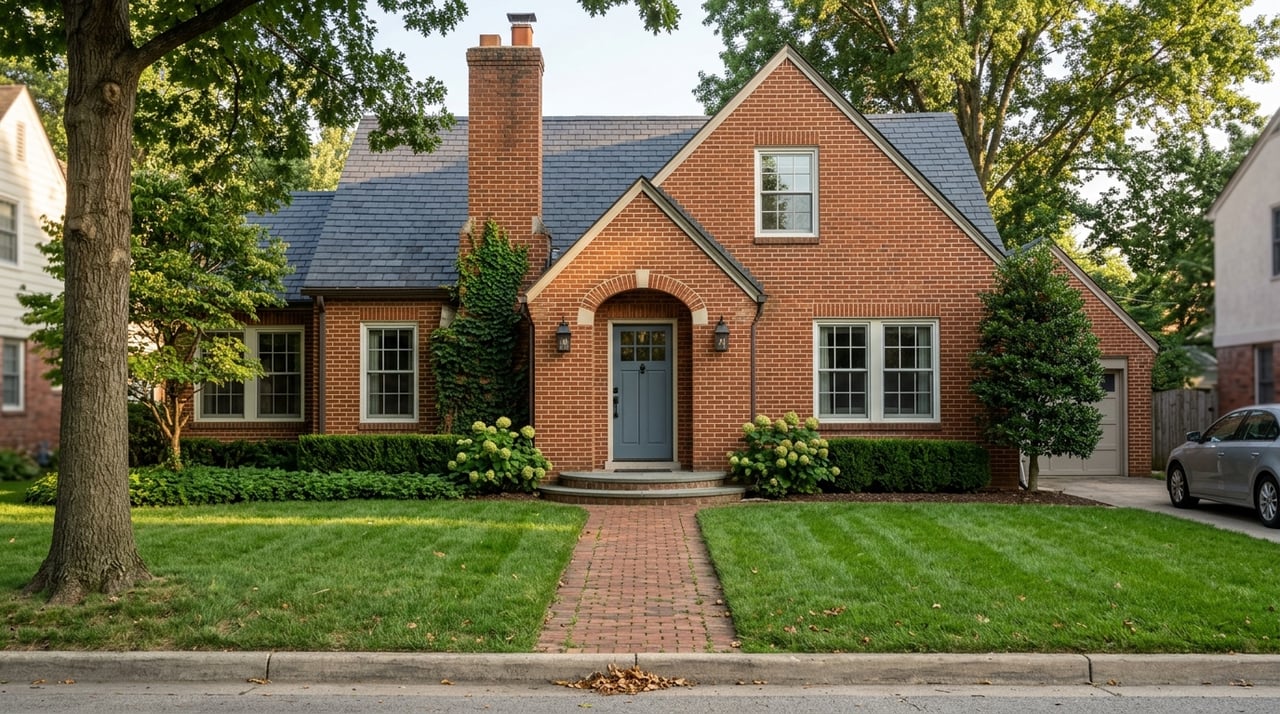
Single-family living in Arlington often feels different from what buyers picture in outer suburban markets. A detached house here is one residential building with one unit on its own lot, with required yards on all four sides. Arlington’s low-density residential areas are mainly zoned R-5 through R-20, and the county says those areas make up about half of private land.
That sounds roomy, but the experience on the ground can vary a lot. For by-right Expanded Housing Option development, minimum lot area ranges from 5,000 square feet in R-5 to 20,000 square feet in R-20, with minimum lot widths from 50 to 100 feet. For buyers, that gives you a useful sense of the lot scale often associated with Arlington single-family homes.
The important takeaway is simple: more space in Arlington does not always mean a big backyard. You are often buying a balance of indoor living space, privacy, and private outdoor area rather than a sprawling lot.
Why yard size can feel smaller
Lot size is only part of the story. Arlington’s lot coverage rules also count buildings, driveways, parking pads, pergolas, in-ground pools, and similar features in the overall calculation. In practice, that means usable yard space can shrink faster than many buyers expect.
This matters if you are picturing play space, outdoor dining, gardening, or a future addition. A lot may look generous on paper, but the layout and existing improvements can shape how that space actually functions day to day. When you tour homes, it helps to focus not just on square footage, but on how the outdoor space is arranged and used.
Older homes are a big part of the market
Arlington also has a lot of older housing stock. The county notes that many one- and two-family homes were built in the 1920s through early 1940s, before the 1942 zoning ordinance. It also says lots platted before July 15, 1950 can be considered nonconforming lots.
For you, that can create both charm and complexity. Older homes may offer mature landscaping, established streetscapes, and architectural character, but they can also come with site constraints that affect additions, expansions, or future renovation plans. This is where it pays to look beyond finishes and think about the long-term functionality of the lot and structure.
Why parks are part of the lifestyle
One of Arlington’s biggest advantages is that private yard space is not the whole outdoor story. The county says it had 950 acres of county-owned parkland in 2025, ranked #7 in Trust for Public Land’s ParkScore, and reported that 99% of residents live within a 10-minute walk of a park.
That helps explain why single-family living in Arlington can still feel very livable even when lots are smaller than buyers expect. You may not have a huge yard, but you are often close to trails, playgrounds, open lawns, courts, and green space that extend your day-to-day living beyond your property lines.
In a practical sense, parks function like part of your lifestyle footprint. If you like walking, biking, running, or spending time outdoors without needing to drive far, Arlington’s park network is a major part of the value.
Trails add everyday convenience
Arlington County says it has nearly 49 miles of paved, multi-use trails, along with access to NPS and NOVA Parks trails such as the Mount Vernon Trail and the W&OD Trail. That kind of trail network changes how many residents move through the day.
For some households, trails are mainly recreational. For others, they become part of a commute, school drop-off rhythm, dog-walking routine, or weekend errand pattern. If outdoor access matters to you, the location of nearby trails can be just as important as the size of the lot itself.
Parks to know in Arlington
Arlington’s parks are not all the same, and that variety shapes neighborhood feel. A few county examples show how different outdoor spaces can support different routines:
- Lubber Run Park is a 31-acre park with courts, a lawn, an amphitheater, natural trails, and parking.
- Four Mile Run Park is a two-acre green space along the stream.
- Shirlington Park is 11.5 acres along the Four Mile Run Trail, with fitness equipment and limited parking.
The Four Mile Run Valley is another useful example. The county describes it as a convergence of stream corridor, parkland, cultural facilities, roads, bike trails, and residential uses. That mix is part of what makes Arlington feel urban, outdoorsy, and residential at the same time.
Arlington offers several micro-lifestyles
A lot of buyers talk about Arlington as if it is one single experience, but it is more accurate to think of it as a collection of micro-lifestyles. The county is organized around more than 60 neighborhoods and several major planning corridors. Its planning strategy concentrates higher-density development along major transportation corridors while preserving lower-density residential neighborhoods elsewhere.
That means your day-to-day routine can change a lot depending on where you buy. Some areas emphasize walkability and transit access. Others lean more toward neighborhood streets, park access, and a more house-centered routine.
Rosslyn-Ballston suits transit-oriented buyers
The Rosslyn-Ballston corridor is Arlington’s most transit-oriented area. The county describes it as a model of transit-oriented development that concentrates density along Metro while preserving nearby residential neighborhoods.
Rosslyn is the first Virginia stop for Orange, Silver, and Blue Line trains. Clarendon is known for walkability, dining, shops, public art, and tree-lined streets. Virginia Square combines education, arts, residential communities, and parks near Metro, while Ballston serves as a major transportation hub with shops, restaurants, offices, and open spaces.
If you want a single-family home with faster access to Metro and mixed-use amenities, this part of Arlington may feel like the best fit. The trade-off is that your lot and street setting may feel more urban than in quieter interior pockets.
Columbia Pike and Shirlington offer another rhythm
South and central parts of Arlington can offer a different kind of convenience. Columbia Pike stretches more than three miles across Arlington and is described by the county as Arlington’s Main Street, with housing, local shops, and culturally diverse restaurants.
Shirlington has townhouse communities, high-rise housing, a pedestrian promenade, cafes, restaurants, parks, a dog park, and the public library. For buyers considering nearby single-family options, these areas can offer a nice middle ground between neighborhood living and easy access to daily amenities.
North and central Arlington feel different
Central Arlington is often attractive to buyers who want residential streets without feeling cut off from shops, restaurants, and parks. The county describes it as several residential neighborhoods with many shops, restaurants, and parks. That mix makes it a useful middle-ground option.
North Arlington adds another layer, especially for buyers who prioritize green space. The county says the area north of Langston Boulevard includes several residential neighborhoods, historic sites, many parks, Gulf Branch Nature Center, and Potomac Overlook Regional Park. That can create a more park-rich, house-centered feel while still keeping you connected to the rest of the county.
Commutes depend on your priority
Arlington works well for many commuting styles, but the best choice depends on what you want your mornings and evenings to look like. The county is generally split into north and south sections along Arlington Boulevard, also known as U.S. Route 50. Major roads that shape travel decisions include I-66, I-395, U.S. 1, U.S. 29, Washington Boulevard, Langston Boulevard, and the George Washington Memorial Parkway.
If you are car-focused, those routes can be a major advantage. VDOT says I-66 operates as express lanes between I-495 and Route 29 in Rosslyn during weekday peak periods, and the 395 Express Lanes run from near the Pentagon to the Springfield area, with access for buses, carpools, and toll-paying solo drivers.
If you are transit-focused, Arlington also gives you strong options. The county says residents can get around by Metrorail, Metrobus, ART, bike, and Capital Bikeshare, and that ART connects neighborhoods to Metrorail and Virginia Railway Express.
How to think about the trade-off
The biggest Arlington decision is usually not city versus suburb. It is how you want to balance private space with public convenience.
A single-family home here often gives you more privacy and more separation than a condo or rowhouse, but not always the large-lot experience you might find farther out. In return, you may get unusually strong access to parks, trails, transit, shopping corridors, and major commuter routes.
That is why it helps to approach Arlington by lifestyle pattern rather than by broad assumptions. You may be happiest in a transit-rich area near Rosslyn-Ballston, a main-street setting near Columbia Pike or Shirlington, or a more park-oriented pocket in north or central Arlington.
What buyers should look at closely
When you are evaluating single-family homes in Arlington, keep these practical points in mind:
- Lot function over lot size: Ask how much of the lot is truly usable outdoor space.
- Street pattern: Consider whether you want a quieter residential street or faster access to major corridors.
- Park access: Look at nearby trails and parks as part of your living space.
- Commute style: Decide whether Metro, road access, or a blend matters most.
- Future flexibility: Older homes and older lots may have character, but they can also affect renovation options.
If you are weighing two similar homes, these factors often matter more than the headline square footage alone.
The right Arlington single-family home is usually the one that matches your daily routine, not just your wish list. If you want help sorting through those trade-offs, Dallen Russell can help you evaluate homes with a practical eye for layout, renovation potential, and long-term value. Book a free consultation. Coffee’s on me.
FAQs
What does single-family space usually look like in Arlington?
- Arlington single-family homes often offer more privacy and private outdoor space than condos or townhomes, but many lots are smaller than buyers expect in outer suburban markets.
How important are parks for single-family living in Arlington?
- Parks are a major part of the lifestyle because Arlington reports 950 acres of county-owned parkland and says 99% of residents live within a 10-minute walk of a park.
What trails are available near Arlington single-family neighborhoods?
- Arlington says it has nearly 49 miles of paved multi-use trails, plus access to regional routes like the Mount Vernon Trail and the W&OD Trail.
Which Arlington areas are best for transit-oriented single-family living?
- Buyers often look near the Rosslyn-Ballston corridor for stronger Metro access and mixed-use convenience, with stations in places like Rosslyn, Clarendon, Virginia Square, and Ballston.
How do Arlington commutes work for drivers?
- Major commuting routes include I-66, I-395, U.S. 1, U.S. 29, Washington Boulevard, Langston Boulevard, and the George Washington Memorial Parkway, with express lane options on I-66 and I-395 during key travel periods.
Why do older Arlington lots matter when buying a house?
- Many Arlington homes were built in the 1920s through early 1940s, and older or nonconforming lots can affect how a property functions today and what changes may be possible later.