If you need to get your Chevy Chase home ready to sell quickly, the good news is that speed does not have to mean cutting corners. In a market where buyers have more choices and more time to compare homes, smart preparation can make a real difference in how your property is perceived. The key is to focus on the updates buyers notice first, the issues that show up during inspections, and the details that help your home feel polished from day one. Let’s dive in.
Why presentation matters in Chevy Chase
Chevy Chase is a high-price market, but it is not one single, uniform market. Public data sources vary by boundary and methodology, yet they point in the same general direction: buyers in this area are looking closely, comparing options carefully, and rewarding homes that feel well prepared.
That broader pattern fits what the local market is showing. According to the January 2026 GCAAR housing statistics, Montgomery County had a median sold price of $595,000, average days on market of 44, and a 33% decline in closed sales, with buyers having more choice and leverage than they did in the recent pandemic-era market. In Chevy Chase specifically, Redfin’s market snapshot also reflects a market where polished, move-in-ready presentation matters.
For you as a seller, that means a rushed but strategic plan usually works better than an ambitious renovation schedule. The goal is not to remake the house. The goal is to make buyers feel confident the home has been cared for and is easy to say yes to.
Start with the highest-impact tasks
When time is tight, begin with the items that affect first impressions online and in person. That usually means the spaces buyers see in listing photos, the entry sequence during a showing, and the obvious condition issues that can undermine confidence.
The most effective short-list comes from staging and buyer behavior research. The National Association of Realtors 2023 staging report found that the most commonly recommended steps were decluttering, whole-home cleaning, removing pets during showings, carpet cleaning, and minor repairs. Those are not glamorous projects, but they are often the fastest way to improve how your home reads to buyers.
Declutter and deep clean first
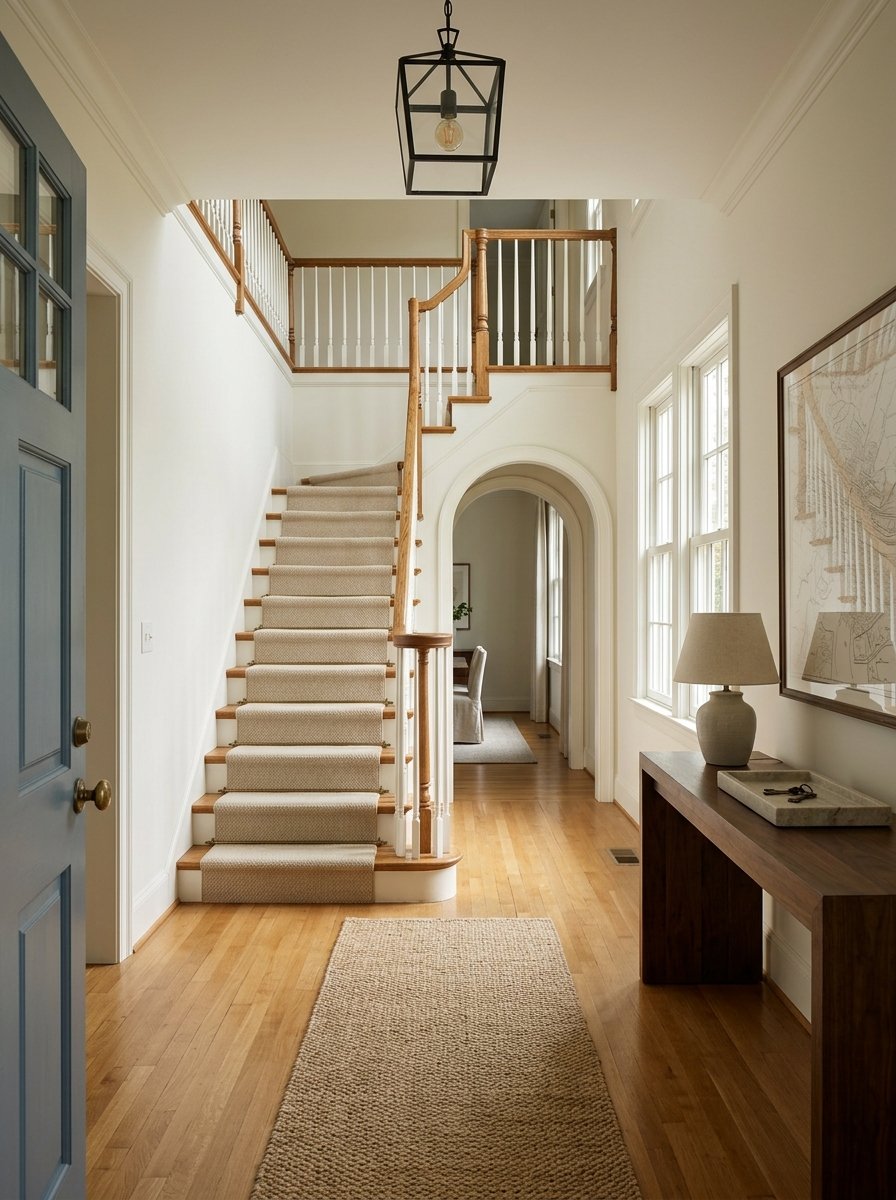
If you do nothing else in the first few days, declutter and deep clean. This is the fastest way to make rooms look larger, brighter, and easier for buyers to picture as their own.
Start by removing excess furniture, clearing countertops, editing bookshelves, and packing anything highly personal. Then schedule or complete a whole-home cleaning, including floors, windows, kitchens, bathrooms, and any carpet that needs attention. A clean home photographs better, shows better, and signals good maintenance.
Fix visible minor repairs
Minor condition issues can create an outsized negative impression. Loose hardware, chipped paint, sticky doors, cracked caulk, burned-out bulbs, and dripping faucets may seem small, but buyers often read them as signs of deferred maintenance.
This is where a practical, remodeling-minded review helps. Focus on the repairs a buyer will notice right away during a walk-through or that are likely to appear in an inspection. Fast, visible fixes usually deliver more value than expensive work hidden behind walls.
Stage the rooms that count most
You do not need to stage every room to make a home feel market-ready. If the timeline is short, concentrate on the rooms that shape the buyer’s overall impression.
The NAR 2025 Profile of Home Staging found that the living room, primary bedroom, and dining room were the most commonly staged spaces. The same report noted that 83% of buyers’ agents said staging made it easier for buyers to visualize a property as a future home.
Focus on your core living spaces
In most Chevy Chase homes, the best staging return comes from the main entertaining and resting areas. Prioritize:
- Living room
- Primary bedroom
- Dining room
- Entry area
- Kitchen counters and breakfast area, if applicable
That may mean rearranging your existing furniture, bringing in a few key pieces, or simply removing enough items to improve flow. You are creating clarity, scale, and warmth, not filling every corner.
Improve curb appeal without overbuilding
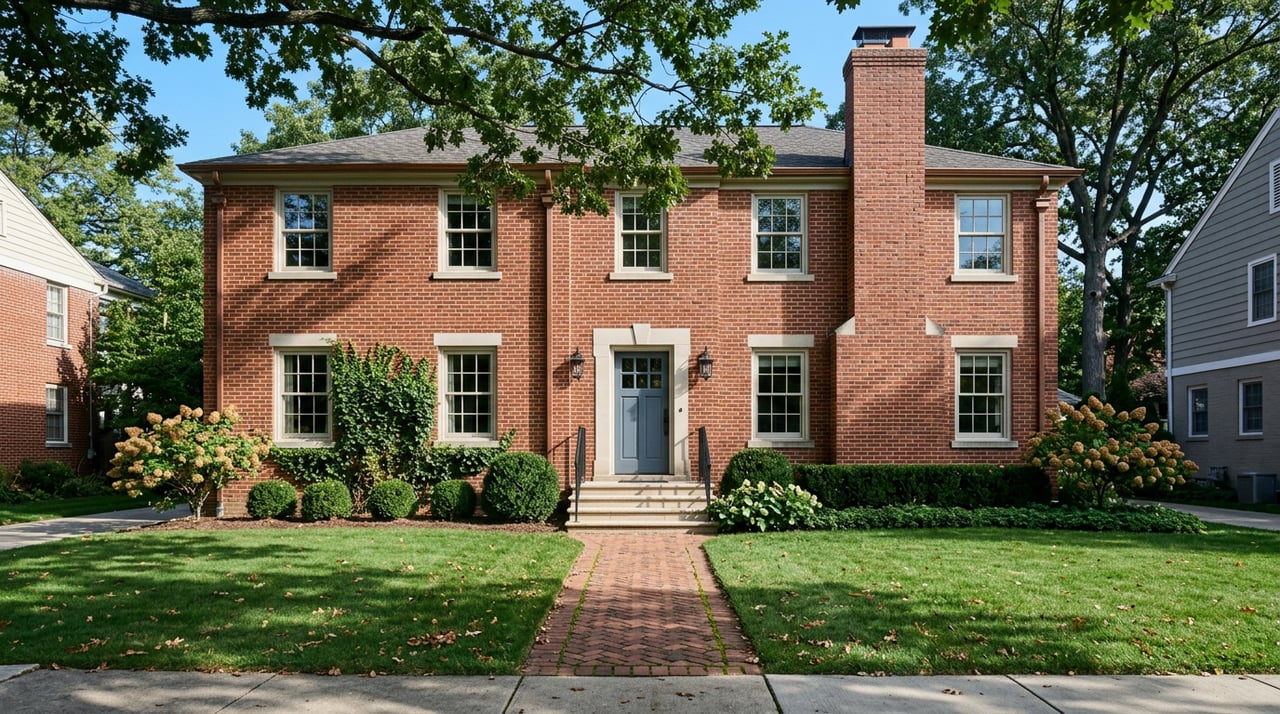
Buyers start forming opinions before they walk through the front door. In many cases, they start with the first exterior photo online.
According to Zillow’s curb appeal guidance, poor exterior presentation can cause buyers to skip a showing, while simple improvements like clearing clutter, trimming overgrowth, and painting or staining the front door can have meaningful impact. Zillow also notes that landscaping is one of the most common pre-listing improvements sellers complete.
Make the entry look intentional
For a fast Chevy Chase prep plan, focus on simple exterior improvements that are cosmetic and manageable:
- Trim shrubs and tree limbs around the walk and facade
- Remove yard clutter and worn seasonal items
- Sweep paths, stoops, and porches
- Refresh the front door if needed
- Replace tired doormats or planters
- Make sure exterior lighting is clean and working
These updates help your home feel maintained and inviting without pulling you into a long renovation timeline.
Skip major renovations on a deadline
One of the most common seller mistakes is starting a large kitchen or bathroom project too close to list date. If there is no serious damage or functional problem, a major remodel usually creates more stress, more cost, and more timing risk than it solves.
Zillow’s kitchen remodel ROI analysis says a full kitchen transformation often does not return 100% of the cost unless the space is extremely dated, damaged, or dysfunctional. By contrast, minor improvements like cabinet fronts, hardware, counters, paint, matching appliances, and flooring may offer a better return for sellers who need a refresh rather than a rebuild.
The same logic applies to baths. Zillow’s bathroom ROI guidance notes that midrange remodels tend to perform better than upscale projects, while issues like cracked tile, mold, water damage, or unsafe electrical work should be fixed because buyers and inspectors are likely to notice them.
Choose refreshes over gut jobs
If you are preparing to list soon, the better path is usually a restrained refresh. Consider:
- Interior paint
- New cabinet hardware
- Updated light fixtures where needed
- Fresh caulk and grout touchups
- Replacing damaged mirrors or dated accessories
- Matching or simplifying appliances if practical
This approach also aligns with the 2025 Remodeling Impact Report from NARI, which found strong cost recovery for smaller, practical projects such as a new steel front door and identified whole-home painting as one of the most commonly recommended pre-listing updates.
Upgrade your listing media
Your preparation work should help the home in person and online. That matters because many buyers decide whether to visit a property based on photos and digital presentation.
The NAR 2023 staging report found that buyers’ agents rated photos, videos, physical staging, and virtual tours as important marketing tools. In other words, the work you do before launch is not just for showings. It improves how the home performs from the very first scroll.
For a Chevy Chase listing, premium photography works best when the home is already simplified, clean, and styled around its strongest spaces. That includes good lighting, clear surfaces, consistent paint touchups, and a visible sense of care.
Watch for permit and review issues
If you are trying to move quickly, the wrong project can delay your timeline. In Montgomery County, cosmetic work is often easier to complete quickly than structural or scope-changing work.
According to the county’s permits required and no-permit list, many cosmetic items such as painting, roof covering only, gutters, downspouts, siding, and in-kind window or door replacements may not require permits. By contrast, additions, decks, interior alterations, and some exterior changes can require review.
Check community and historic rules early
Some Chevy Chase properties may also be affected by private covenants, common ownership community rules, or historic review requirements. Montgomery County notes on its residential alterations guidance that prior written approval may be required in some communities, and certain historic properties or districts may need a Historic Area Work Permit before exterior changes.
If your home was built before 1978, lead-safe rules can also come into play when renovation, repair, or painting disturbs painted surfaces. Maryland’s MHIC licensing guidance explains the EPA lead-safe requirements that may apply to that work.
The practical takeaway is simple: before starting exterior updates or anything beyond light cosmetic prep, verify whether approvals or specialized contractor requirements apply.
A fast market-ready plan
If you want the shortest path to a strong launch, think in terms of a focused sprint. Start with the work buyers will see immediately, then handle the issues that can raise questions later.
A smart fast-track plan usually looks like this:
- Declutter the entire home
- Deep clean every major surface and room
- Repair visible minor defects and inspection-red-flag items
- Refresh paint where it will have the most impact
- Improve the front entry and curb appeal
- Stage the living room, primary bedroom, and dining room
- Confirm any permit, HOA, covenant, or historic-review issues before exterior work
- Launch with strong photography and a polished listing story
In a selective Chevy Chase market, buyers are not just buying square footage. They are responding to condition, confidence, and presentation. When you focus on those elements first, you give your home a better chance to stand out without losing time or overspending.
If you want help deciding what is worth doing before you list, Dallen Russell offers a practical, high-touch approach that blends market strategy with real renovation insight. If you are preparing to sell in Chevy Chase, book a free consultation. Coffee’s on me.
FAQs
What should you fix first before listing a Chevy Chase home?
- Start with decluttering, deep cleaning, visible minor repairs, and any issues likely to appear in an inspection report.
Is staging worth it for a fast Chevy Chase home sale?
- Yes. NAR research shows staging helps buyers visualize the home, especially in key spaces like the living room, primary bedroom, and dining room.
Should you renovate the kitchen before selling a Chevy Chase house?
- Usually not on a tight timeline unless the kitchen is damaged, highly dysfunctional, or seriously outdated. Minor refreshes often make more sense than a full remodel.
What exterior updates help a Chevy Chase listing most?
- Fast curb appeal improvements such as trimming landscaping, removing clutter, sweeping walkways, and refreshing the front door can make a strong first impression.
Do you need permits for pre-listing work in Montgomery County?
- Some work does require permits or review, while many cosmetic items do not. It is important to verify county rules, community approvals, and any historic-review requirements before starting exterior or structural changes.