Trying to choose between Chevy Chase and Bethesda? At first glance, they can seem similar: both are well-known Montgomery County communities with strong housing demand, close-in locations, and easy access to Washington. But once you look closer, the day-to-day feel can be very different depending on the block, the housing stock, and even the local government structure. In this guide, you’ll get a practical side-by-side look at walkability, housing, renovation considerations, and market patterns so you can decide which setting fits the way you actually want to live. Let’s dive in.
Why This Comparison Takes Context
A straight Chevy Chase versus Bethesda comparison sounds simple, but the geography is not perfectly clean. Montgomery County identifies Bethesda as an unincorporated community, while the Chevy Chase name covers several incorporated municipalities and nearby areas that can feel quite different from one another.
That matters because the exact address can affect governance, services, and development rules. In practical terms, your experience may vary more by block than by mailing label, especially near Wisconsin Avenue, Friendship Heights, or the quieter interior streets farther inside Chevy Chase.
Chevy Chase Village is a good example of how specific this gets. The Village describes itself as a historic community of about 720 homes on less than half a square mile, with its own municipal government, police, and public works, according to the Chevy Chase Village website. Bethesda, by contrast, relies on county government, with downtown supported by the Bethesda Urban District.
Bethesda Lifestyle at a Glance
Bethesda generally offers the stronger urban-core feel. Montgomery Planning describes downtown Bethesda as pedestrian-oriented, and its transportation appendix rates the downtown sector plan area at 95 out of 100 on Walk Score.
That does not mean every part of Bethesda feels the same. Walk Score shows Bethesda with an average score of 45, which points to some transit and some bikeability overall, but a more mixed experience once you move beyond the downtown core.
If you want a setting with more mixed-use development, more activity near Metro, and more of a grab-coffee-and-run-errands-on-foot rhythm, Bethesda often feels easier right away. For many buyers, that convenience is the biggest draw.
What Bethesda Often Suits Best
Bethesda may be the better fit if you want:
- A more urban, service-rich environment
- Easier access to mixed-use buildings and condos
- More day-to-day walkable convenience near downtown
- A broader mix of housing types and price points
- More inventory and steadier market signals
Chevy Chase Lifestyle at a Glance
Chevy Chase is more dependent on the exact location. Walk Score data shows some nearby addresses scoring in the high 80s to mid 90s, while interior areas can feel much less walkable, with lower overall scores.
That block-by-block variation is a big part of Chevy Chase’s identity. Some areas offer easy access to transit, shopping, and restaurants, while others feel quieter, more tucked away, and more traditionally residential.
The official Chevy Chase Village site emphasizes tree-lined streets and walking-distance access to transit and amenities. That summary captures the appeal well: Chevy Chase often feels calmer and more residential, but still close to the conveniences many buyers want.
What Chevy Chase Often Suits Best
Chevy Chase may be the better fit if you want:
- A quieter residential setting
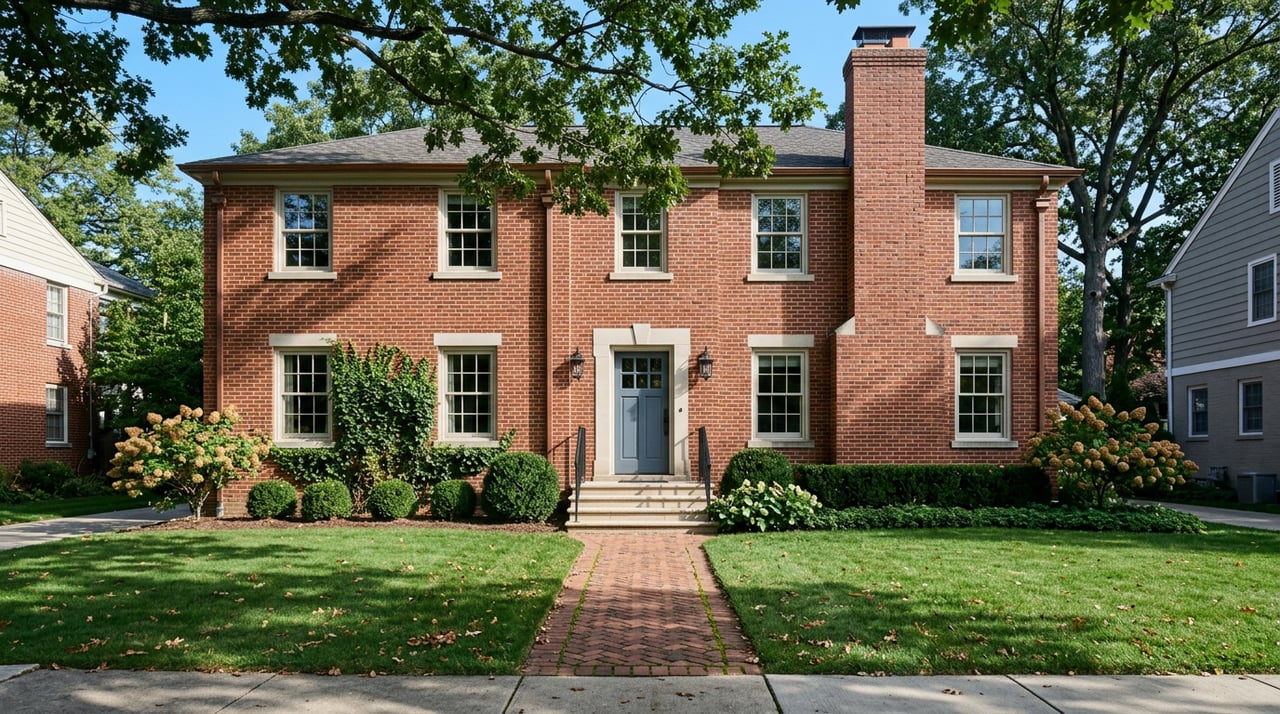
- Older detached homes with historic character
- A strong village or neighborhood feel
- Tree-lined streets and a more tucked-away atmosphere
- A location where local governance may play a larger role
Housing Stock Feels Different
One of the biggest differences is the housing mix. Chevy Chase tends to skew more historic and more detached on the residential side, while Bethesda offers a wider spread of housing types, especially as you move closer to downtown.
The Chevy Chase Village website reflects its roots as an early streetcar suburb. Planning information for the broader area also points to a pattern of detached single-family homes on residential edges, with townhomes, garden apartments, and taller apartment buildings appearing in specific corridors.
Bethesda’s planning direction is different. Montgomery Planning describes a downtown plan centered on parks, open space, housing, environmental innovation, and economic competitiveness, and its mixed-use research notes that high-rise mixed-use is especially common in Bethesda and Silver Spring.
What That Means on the Ground
In simple terms, Chevy Chase often feels more uniform. You may find a tighter collection of older detached homes, more consistent streetscapes, and a stronger sense of historical continuity.
Bethesda usually offers more variation. You can find smaller close-in houses, larger move-up homes farther out, condos, townhouses, and mixed-use options, depending on where you search.
For buyers, this often comes down to whether you want consistency and character or choice and range. Neither is better across the board. It depends on how you plan to live and what kind of flexibility you want in your search.
Lot Sizes and Space Expectations
Sample listings in the research show that lot sizes in Chevy Chase often cluster into a relatively tighter range, including examples around 5,466, 5,816, 6,187, and 6,900 square feet, plus a 0.26-acre parcel. In Bethesda, sample listings range from roughly 5,520 to 8,400 square feet in close-in neighborhoods, with larger lots such as 0.53, 0.96, and 2.26 acres appearing farther out.
These are sample listings, not market averages, but they still help illustrate the feel buyers often notice in person. Chevy Chase tends to present a more consistent pattern, while Bethesda gives you a broader spread of lot and home sizes.
If outdoor space is a top priority, Bethesda may offer more range depending on where you look. If you like the rhythm of established streets with a more uniform residential feel, Chevy Chase may feel more cohesive.
Renovation Rules Can Shape Your Decision
If you are buying with renovation plans in mind, this is where the difference becomes especially important. Chevy Chase can involve more local review than buyers expect, particularly in municipalities with their own permitting steps.
According to the Town of Chevy Chase permitting page, many projects require a county permit first, and projects involving new construction, demolition, or additions of 500 or more square feet require a town site-management meeting before permit issuance. The Chevy Chase Village site also notes county permits first, followed by Village permits, with added rules tied to tree protection, urban forest requirements, and permits for items such as driveways, fences, patios, dumpsters, and tree removal.
For some buyers, that extra review is worth it because it can help preserve the character and consistency of the community. For others, it can add time and complexity to even modest exterior work.
Questions to Ask if You Plan to Renovate
Before you buy, it helps to ask:
- Is the home in a municipality with its own permitting process?
- Will your planned work trigger local review beyond county permits?
- Are there tree-protection or site-management requirements?
- Does the lot layout support the addition or exterior change you want?
- How much time should you realistically budget before work can begin?
This is where practical, property-level analysis matters. A house that looks like an easy cosmetic update on paper may involve a more layered approval path once you review the local rules.
Market Tone and Pricing Patterns
Both communities sit in the premium tier, but the numbers can look different depending on how the geography is defined. Redfin’s February 2026 market snapshot for Bethesda shows a median sale price of $1.46 million with 43 days on market, while its Chevy Chase page shows $1.1425 million with 124 days on market and just 8 homes sold.
That small sales count matters. A limited number of closings can make Chevy Chase data more volatile month to month, especially because the area is split across multiple municipalities and submarkets.
The practical takeaway is not that one market is always stronger than the other. It is that Bethesda generally offers more inventory, a wider product mix, and steadier pricing signals, while Chevy Chase can be harder to summarize with one number.
What Buyers Should Take From the Data
If you want more options and a cleaner read on pricing trends, Bethesda often makes the search process simpler. If you are focused on a very specific Chevy Chase location, you may need to rely less on broad market averages and more on hyperlocal property comparisons.
That is especially true in close-in neighborhoods where one street can trade differently from the next. In both places, the right strategy starts with the exact pocket, not just the headline community name.
Chevy Chase vs Bethesda Quick Comparison
| Category | Chevy Chase | Bethesda |
|---|---|---|
| Overall feel | Quieter, more residential | More urban, more mixed-use |
| Walkability | Highly block-dependent | Stronger downtown walkability |
| Housing mix | More historic detached homes | Broader range of housing types |
| Governance | Multiple municipalities, more local variation | County-based structure |
| Renovation complexity | Can involve added local review | Varies by property and location |
| Market pattern | Smaller, more variable data | More inventory and steadier signals |
Which Community Fits You Best?
Choose Bethesda if you want walkable convenience, more housing variety, and a downtown environment that feels more active and connected to daily services. It is often the easier fit for buyers who want a stronger urban edge near Metro, dining, and mixed-use development.
Choose Chevy Chase if you want a quieter residential setting, older detached homes, and a stronger village feel. It often appeals to buyers who value mature streetscapes, historic character, and a more tucked-away neighborhood rhythm.
If you are deciding between the two, the smartest move is to compare specific pockets and specific properties, not just zip codes or mailing labels. If you want help weighing block-by-block trade-offs, renovation feasibility, or long-term resale potential, Dallen Russell brings a practical, high-touch approach to the process. Book a free consultation — Coffee’s on me.
FAQs
What is the main lifestyle difference between Chevy Chase and Bethesda?
- Bethesda generally feels more urban and mixed-use, while Chevy Chase often feels quieter and more residential depending on the block.
How walkable is Chevy Chase compared with Bethesda?
- Bethesda has the stronger downtown walkability profile, while Chevy Chase is much more block-dependent, with some highly walkable areas and some quieter interior streets.
Are Chevy Chase homes usually different from Bethesda homes?
- Yes. Chevy Chase tends to have more historic detached homes and a more uniform residential feel, while Bethesda usually offers a wider mix of houses, condos, townhomes, and mixed-use options.
Is it harder to renovate a home in Chevy Chase than in Bethesda?
- It can be, especially in Chevy Chase municipalities with added local permitting, site-management, tree-protection, or exterior review requirements.
Is Bethesda or Chevy Chase more expensive for homebuyers?
- Both are premium markets, but broad market data often shows Bethesda with more inventory and steadier pricing signals, while Chevy Chase numbers can swing more because the market is smaller and more fragmented.