Trying to choose between lively Downtown Bethesda and its quiet, leafy enclaves? You are not alone. Bethesda offers everything from high-rise condos near Metro to tree-lined streets with classic single-family homes, and the right fit comes down to how you live day to day. In this guide, you will learn how the main neighborhoods differ on housing styles, transit access, parks, and price context so you can focus your search with confidence. Let’s dive in.
How Bethesda is organized
Bethesda is a close-in suburb of Washington, D.C., with a dense, walkable urban core surrounded by residential pockets with mature trees and parks. The commercial center clusters around Wisconsin Avenue, Old Georgetown Road, and East-West Highway near the Bethesda Metro. For a helpful overview, see the general profile of Bethesda’s setting and amenities on the Bethesda, Maryland page.
Downtown draws shoppers, diners, and arts lovers, while nearby enclaves offer quieter streets and larger lots. As you move outward from the center, walkability typically tapers, and home types shift from condos and townhomes to single-family houses.
Learn more about Bethesda’s setting and identity.
Neighborhood snapshots
Downtown Bethesda
Downtown is the most walkable part of Bethesda, anchored by the Red Line’s Bethesda station and a tight grid of shops, restaurants, and services. Housing is mostly mid- to high-rise condos and apartments, with a few townhome clusters and older homes just beyond the core. Many errands and evenings out can happen on foot.
- Best fit: If you prioritize transit, short commutes, and an active dining scene.
- Transit: The Bethesda Metro station on the Red Line puts you on a direct rail into D.C. and Rockville.
- Walkability: Central 20814 shows strong walk and transit access per Walk Score data.
Woodmont Triangle
Woodmont Triangle sits within downtown and concentrates many festivals, eateries, and small boutiques. The blocks around Norfolk, Del Ray, St. Elmo, Auburn, and Cordell feel energetic and street-oriented. Expect low-rise retail with residential above and a steady calendar of community events.
- Best fit: If you want the most urban Bethesda experience in a compact area.
- Note: Walkability is excellent, and you are close to major bus routes and the Metro.
Edgemoor and near-downtown enclaves
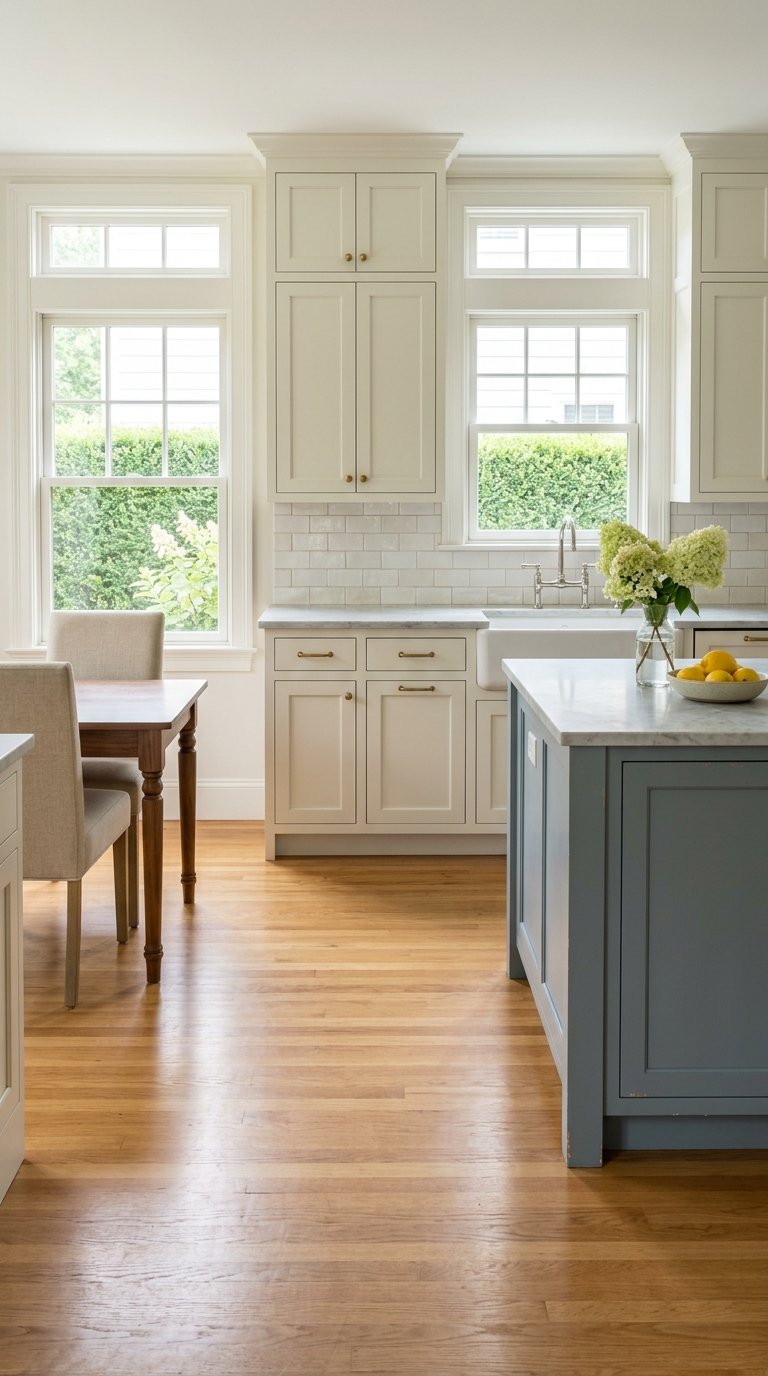
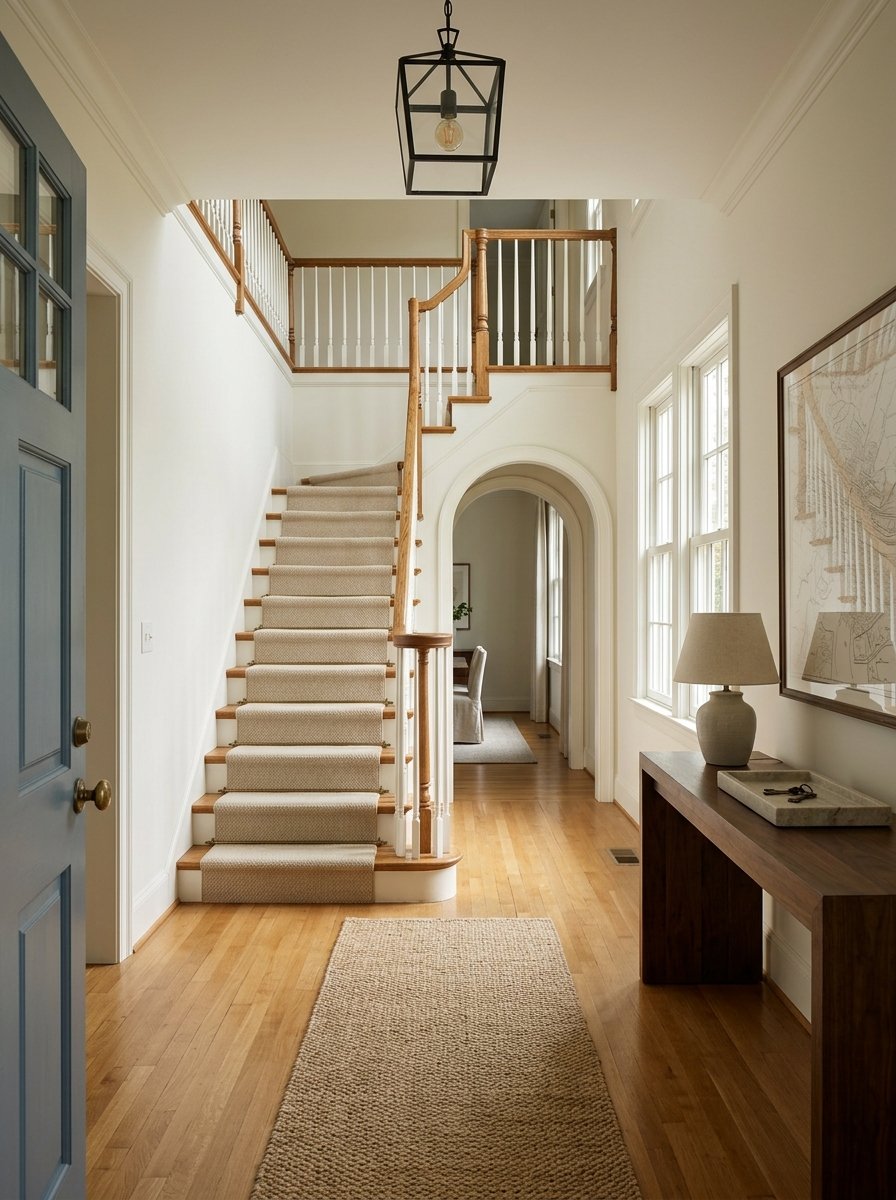
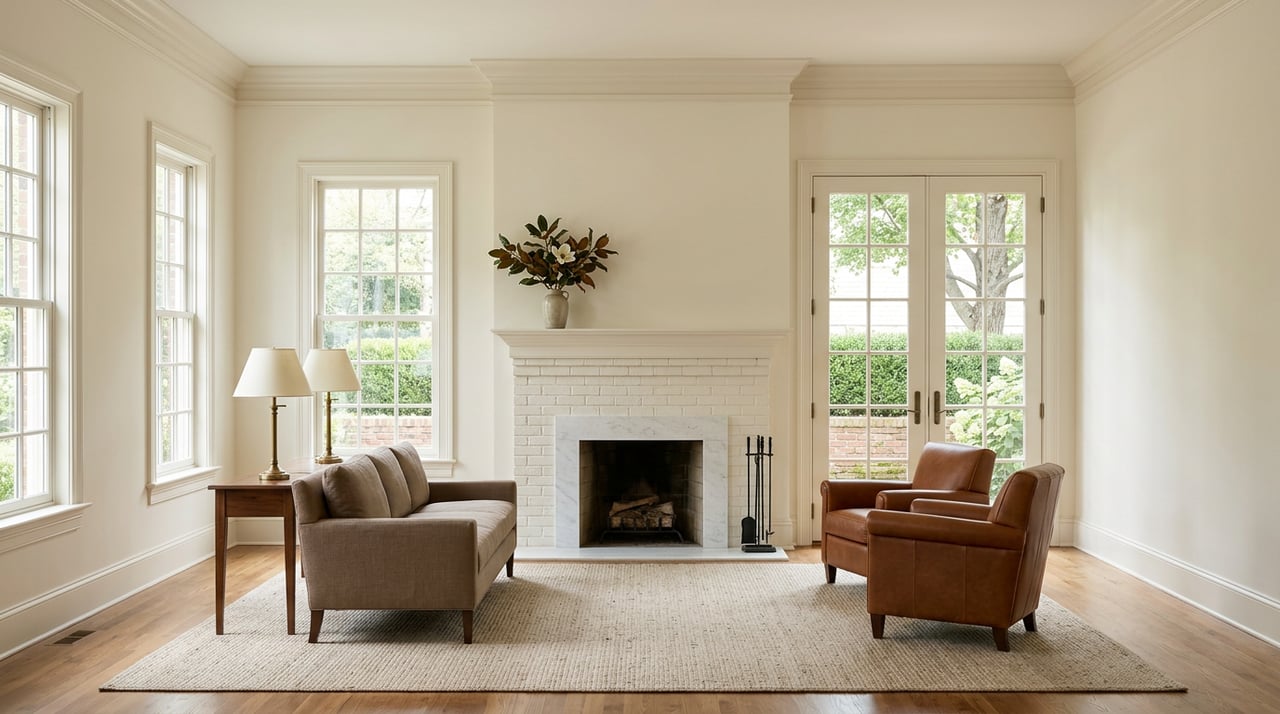
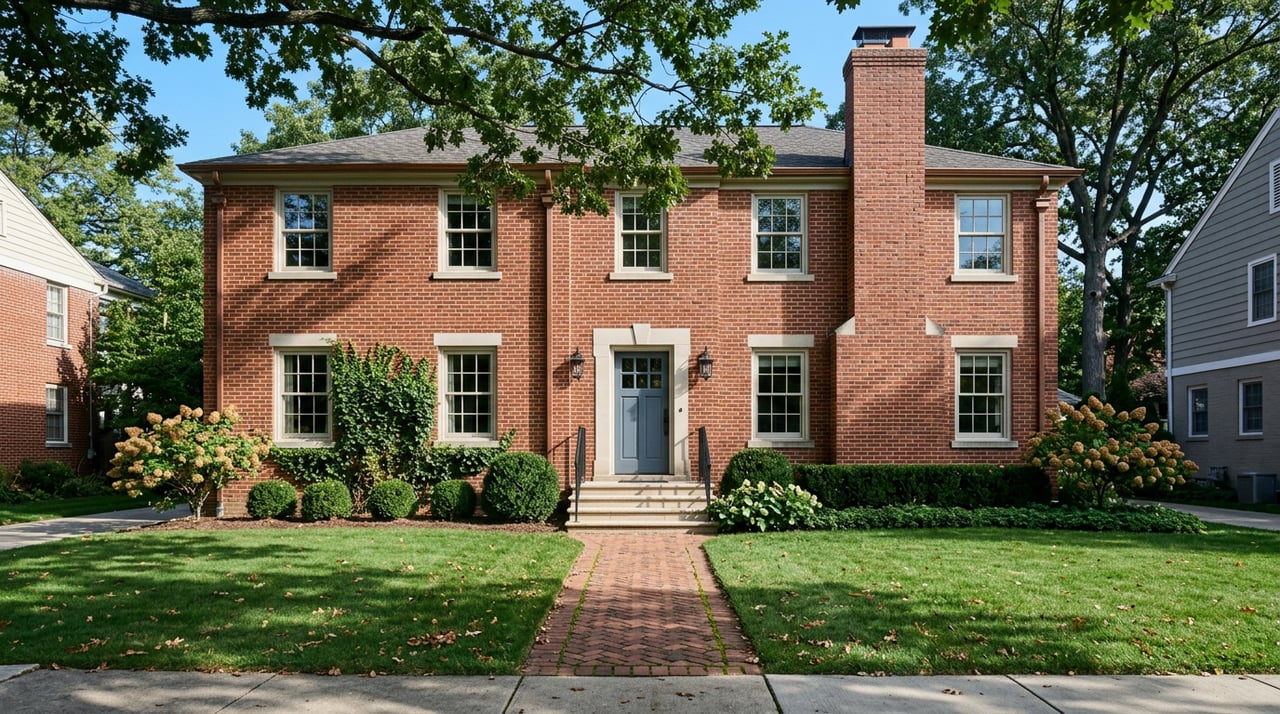
Just west of the core, Edgemoor and nearby blocks offer tree-lined streets with early to mid-20th-century architecture alongside newer custom rebuilds. These areas balance residential calm with short walks to retail, dining, and the Capital Crescent Trail. Lots are larger than downtown and many homes have yards.
- Best fit: If you want a quiet residential feel within walking distance of downtown amenities.
- Housing snapshot: Colonial, Tudor, and Cape Cod styles alongside newer custom homes.
Battery Lane, Bradley Hills, and Bradley Woods
Northwest of the core, these neighborhoods mix mid-century houses with newer, substantially rebuilt homes. You will find small parks, including Battery Lane Urban Park, and a more suburban rhythm while staying close to downtown. Prices vary widely by lot size and level of renovation.
- Best fit: If you value a yard, pocket parks, and quick access to downtown by car or bike.
- Park anchor: Explore Battery Lane Urban Park.
Glen Echo, Cabin John, and Potomac-adjacent pockets
Farther west, near Glen Echo Park and Cabin John Regional Park, neighborhoods feel greener and more suburban. Lots tend to be larger, and you are close to arts programming, trails, and river corridors.
- Best fit: If you prioritize access to green space and a quieter setting.
- Parks and culture: Visit Glen Echo Park for arts, classes, and historic attractions.
Transit and trails
- Red Line: The Bethesda station is the transit heart of downtown and supports the highest-density, most walkable lifestyle in Bethesda.
- Purple Line: As of March 2026, public updates list a late 2027 opening target for the Maryland Purple Line, an east–west light rail that will connect Bethesda to Silver Spring, College Park, and New Carrollton. Expect localized construction impacts through 2026 and into 2027. For current milestones, see the Purple Line project overview.
- Capital Crescent Trail: The Capital Crescent Trail is a key commuter and recreation spine that meets downtown Bethesda. Portions are being completed alongside Purple Line work, with periodic closures and detours. Check the Coalition for the Capital Crescent Trail for updates.
Parks and cultural anchors
- Trails and pocket parks: The Capital Crescent Trail supports commuting and weekend rides, while small parks like Battery Lane and Veterans Park give downtown its green moments.
- Regional parks: Cabin John Regional Park offers broad recreation options and easy nature breaks.
- Performance and arts: Downtown benefits from nearby venues and regional destinations. Strathmore to the north is a major draw for music lovers. Explore the Montgomery Planning Bethesda Downtown Plan for how parks and arts spaces are guided in the urban core.
What does a Bethesda home cost?
Market aggregators show Bethesda’s median sale price in the low to mid seven figures, with wide variation by housing type and sub-neighborhood. As of March 2026, Redfin’s live market page recently reported a median around 1.08 million dollars for Bethesda, though month-to-month shifts are common. Always check the live feed before you compare neighborhoods.
- See the current snapshot on Redfin’s Bethesda market page.
- General pattern: downtown condos can have a lower total price but higher dollars per square foot, while single-family homes in near-downtown enclaves or larger-lot areas can trade well above the median.
Which area fits your goals?
- You want car-light living: Focus on Downtown Bethesda and Woodmont Triangle for the strongest walkability and direct Metro access.
- You want a yard with a short walk to coffee: Look near Edgemoor and adjacent near-downtown blocks.
- You want parks and extra green: Explore Battery Lane and Bradley Hills for pocket parks, or head west toward Glen Echo and Cabin John for larger lots and trail access.
- You want a specific school pathway: Many buyers review Montgomery County Public Schools profiles when comparing addresses. Start with the Bethesda-Chevy Chase High School profile and confirm cluster boundaries with MCPS.
Planning and what is next
Downtown growth follows the 2017 Bethesda Downtown Sector Plan, which guides parks, housing mix, and design. As projects advance, the county monitors plan thresholds and discusses open space and infrastructure needs. If you are comparing addresses near the core, it helps to understand where new development or Purple Line connections may add short-term construction and long-term convenience.
- Read the Bethesda Downtown Sector Plan for context on how the area is evolving.
How I help you choose
Choosing between these neighborhoods often comes down to tradeoffs: walkability vs space, turnkey finishes vs renovation potential, and price vs convenience. With a remodeling and property management background, I help you see what each house can become. You get practical scopes, budget ranges, and vendor introductions so you can weigh a downtown condo upgrade against a near-downtown single-family remodel.
If you are selling, we target the right pre-market improvements to boost appeal and value. If you are buying, we map lifestyle priorities to blocks that fit your daily rhythm and long-term plan. Ready to narrow your shortlist and shop with clarity? Connect with Dallen Russell. Book a free consultation — Coffee’s on me.
FAQs
What is the main difference between Downtown Bethesda and nearby enclaves?
- Downtown concentrates high-rise living, strongest walkability, and direct Metro access, while nearby enclaves trade some walkability for quieter streets, yards, and more single-family homes.
How will the Purple Line affect Bethesda commuting options?
- As of March 2026, the Purple Line targets a late 2027 opening to connect Bethesda east to Silver Spring and beyond, adding another rail link and likely improving cross-county trips over time.
Is Bethesda walkable outside the core?
- Walkability drops as you move outward; pockets near the core and along the Capital Crescent Trail remain more pedestrian friendly, while outer areas function more like classic suburbs.
What parks and trails shape neighborhood choice in Bethesda?
- The Capital Crescent Trail, Battery Lane Urban Park, Cabin John Regional Park, and Glen Echo Park influence whether buyers choose urban convenience, pocket-park access, or greener, larger-lot areas.
How should I think about home prices by neighborhood in Bethesda?
- Treat the metro-wide median as a starting point; condos downtown often show higher dollars per square foot, while single-family homes in near-downtown or larger-lot areas can trade well above the median. Check the live market snapshot before you compare.