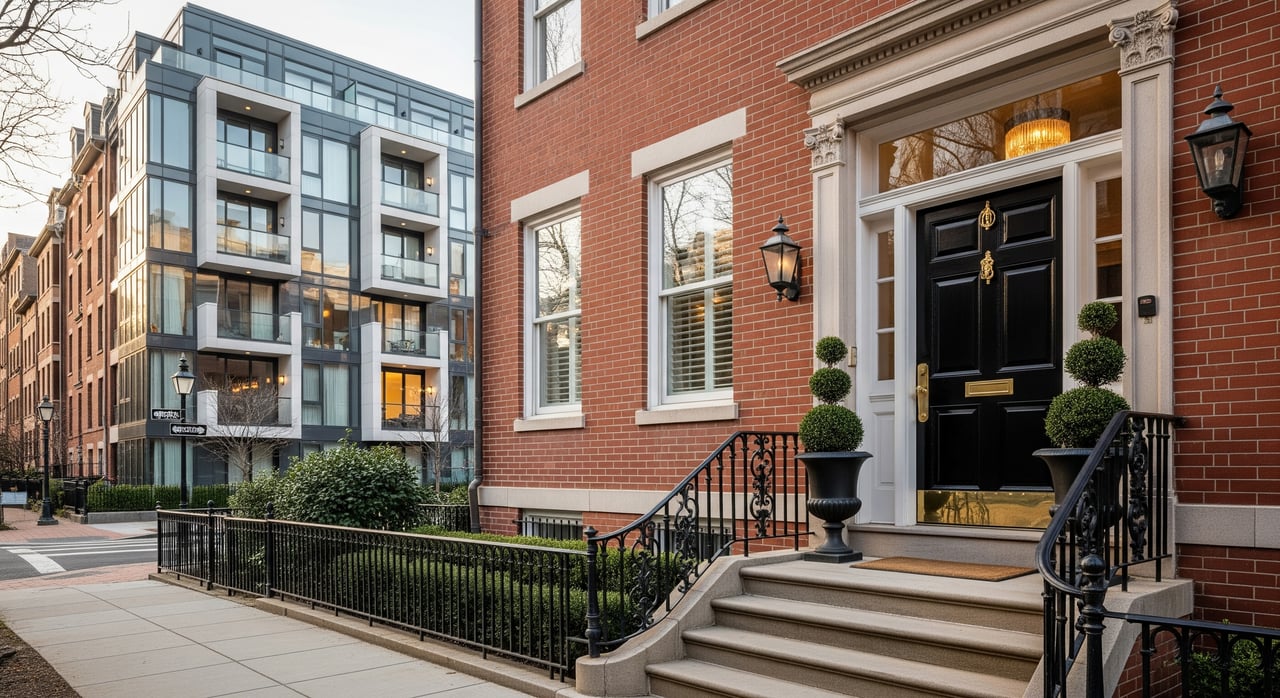
Deciding between a townhouse and a condo in Arlington’s Clarendon–Courthouse–Ballston corridor can feel tricky. You want the right mix of space, convenience, and long-term value without surprises after move-in. This guide breaks down how each option fits a busy, transit-connected lifestyle so you can buy with confidence. Let’s dive in.
Why your choice matters in Arlington
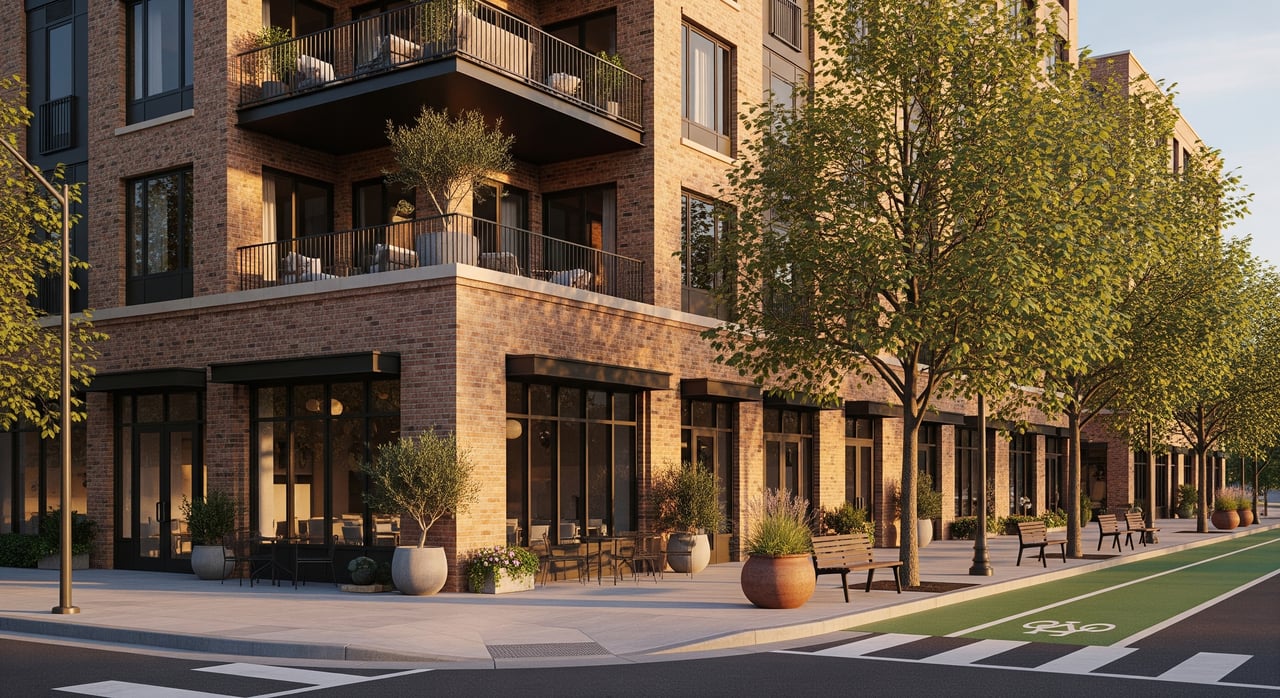
Arlington is dense, walkable, and anchored by Metro. Along the Orange Line through Clarendon, Courthouse, and Ballston, you see a high concentration of mid and high-rise condos plus pockets of townhomes on quieter blocks. This mix gives you real tradeoffs to weigh: lower-maintenance condo living close to stations versus more space and autonomy in a multilevel townhouse.
Because so many residents commute by train, bike, or foot, building amenities and proximity to Metro often carry outsized value. At the same time, demand for more square footage and private entries keeps townhouses competitive, especially for buyers planning longer stays or needing separation of spaces.
Townhouse vs. condo at a glance
Condos
- Interior-only ownership with shared walls, floors, and ceilings.
- Building and common areas are managed by a condo association.
- Fees often cover exterior maintenance, insurance on common elements, and amenities.
- Typically lower purchase price entry points in this corridor.
Townhouses
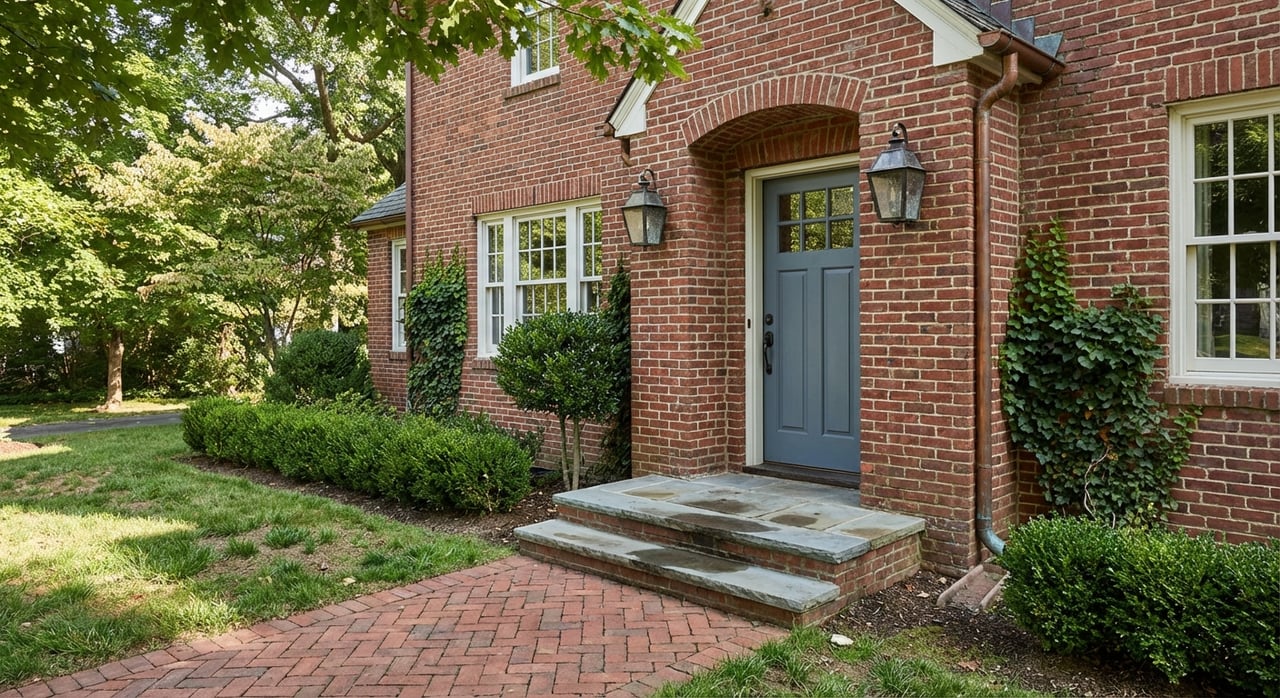
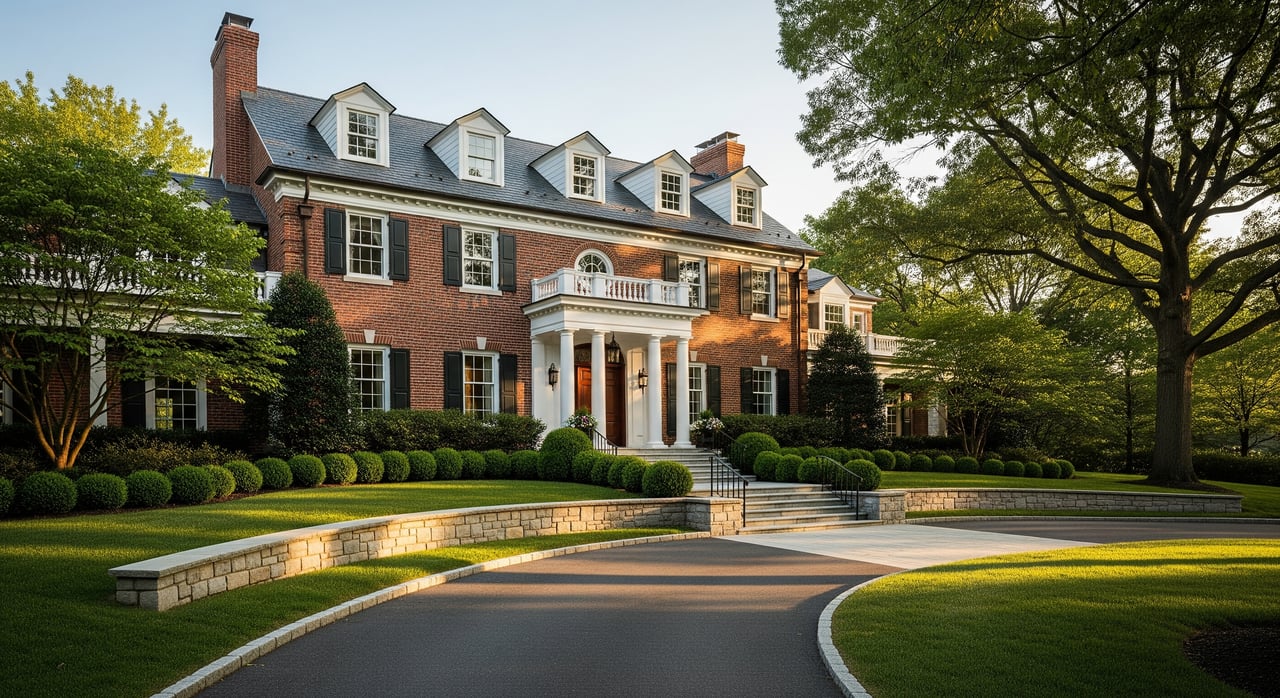
- Multi-level living with a private entry; many include a garage and small yard or patio.
- Can be fee-simple ownership or in an HOA with shared maintenance.
- Often higher purchase prices due to more space and land component.
- More autonomy for renovations, especially in fee-simple setups.
Space, privacy, and layout
If you want separation between living, working, and sleeping, a townhouse gives you stacked floors, a private entrance, and often a garage. You gain flexibility for guests or a home office. Condos trade larger footprints for convenience. You live close to retail and transit with elevators, lobbies, and shared amenities.
In Clarendon–Courthouse–Ballston, many condos within a few blocks of Metro maximize walkability with compact floor plans. Townhouses tend to cluster on the edges or just off the commercial cores, offering more interior square footage without giving up access to daily needs.
Ownership and rules in Virginia
Condos under the Virginia Condominium Act
In a condominium, you own the interior of your unit and share common elements like the roof, halls, and elevators through the association. The declaration, bylaws, and rules govern how owners use common areas and what changes require approval. Interior cosmetic updates are generally fine, but some renovations, especially those affecting building systems or noise transmission, may need approval. You typically carry an HO-6 policy for your unit and belongings, while the association insures common elements.
Townhouses and HOA or fee-simple
Townhouses may be fee-simple, where you own the home and the land under it, or they may sit within an HOA that covers shared areas and sets architectural standards. Fee-simple ownership usually provides more control over exteriors, while HOA communities vary in what they regulate. Your deed, covenants, and HOA documents will spell out responsibilities and rights.
Monthly costs to compare
Look beyond the purchase price and calculate your total monthly outlay. Consider:
- HOA/condo fees. Condo fees often include building insurance, exterior maintenance, amenities, and sometimes utilities. Townhouse HOAs are usually lower if they cover limited services like landscaping or snow removal. Fee amounts vary widely by building and association.
- Property taxes. Both pay Arlington County property taxes on assessed value. Townhouses may carry higher assessments because land is included.
- Insurance. Condos require an HO-6 policy; townhouses usually need dwelling coverage similar to single-family homes.
- Utilities. Some condo associations cover water, gas, or even portions of HVAC. Townhouses more often have separate meters for all utilities.
- Parking. Some condos include or sell parking separately. Many townhouses provide a garage and driveway. Street parking near Metro corridors typically requires permits.
Maintenance and long-term capital costs
Condos shift exterior and structural work to the association. You handle interior repairs, and the board budgets for roofing, facade, and mechanical systems through reserves. This is convenient, but it concentrates risk if reserves are low, major projects are due, or special assessments arise.
Townhouses give you more control and more responsibility. You plan for roof, siding, fencing, and yard upkeep unless your HOA covers certain items. This can suit owners who prefer direct oversight of their property and budget.
Renovation flexibility
Condo interior renovations are common but governed by association rules. Expect guidelines on contractor hours, elevator use, noise, subfloor soundproofing for hard floors, and proof of insurance. Structural changes and exterior alterations are typically not allowed.
Townhouses are generally easier to reconfigure inside and, in fee-simple cases, to update exteriors. You still must follow Arlington permitting and any HOA or historic-district design rules. If you are hoping to open walls, finish a basement, or add built-ins, a townhouse can offer a smoother path.
Financing and resale
Lenders underwrite condos differently because the project itself is part of the credit decision. Some loan types require that the condo project meet specific approval standards, which can limit options. Townhouses usually finance like single-family homes when fee-simple.
Resale depends on fundamentals. For condos, association health matters a lot: reserves, management quality, litigation status, and owner-occupancy mix. For townhouses, the broader buyer pool often includes people prioritizing space, parking, and flexibility, which can support resale across market cycles.
Parking, storage, and amenities
Condo buildings offer a range of amenities, from bike rooms and fitness centers to rooftop decks. Parking may be assigned or deeded, with some buildings allowing you to buy or lease a space separately. Storage cages and package rooms can be valuable if you have gear or seasonal items.
Townhouses often include a garage, driveway parking, and more storage in basements or attics. On-street parking near the Orange Line is managed by permits, so check address-specific rules if you rely on guests or multiple vehicles.
Neighborhood fit along the Orange Line
- Clarendon. Strong walkability and an active retail and dining scene. Condos close to the station maximize convenience. Townhouses nearby trade a short stroll for more space and private entries.
- Courthouse. Easy access to government and legal employers. Condos suit buyers who want proximity to work and amenities. Townhouses nearby offer more room close to parks and civic spaces.
- Ballston. Dense, mixed-use blocks with newer development. Condos work well for low-maintenance living. Townhouses are a good match if you value a garage, multilevel layouts, or outdoor space.
A clear decision framework
Ask yourself:
- Space and layout. Do you need separate floors and a private entry, or is a single-level plan with elevator access better for your routine?
- Maintenance. Do you prefer association-managed exteriors, or do you want direct control over roof and siding decisions?
- Renovation goals. Will you want to move walls, rework kitchens, or change windows and doors? Check approvals and permitting implications early.
- Commute and amenities. Is immediate, door-to-Metro access your top priority, or do you prefer quieter streets with a garage and more storage?
- Financing. If you plan to use FHA or VA financing, confirm condo project eligibility early. Townhouses typically qualify like single-family homes.
Due diligence checklist
- Review association documents. Read the declaration, bylaws, rules, and the full resale packet.
- Study the numbers. Look at budgets, balance sheets, and reserve studies to see how future projects will be funded.
- Ask targeted questions. Litigation, rental caps, pet policies, and dues delinquency rates all affect value and financing.
- Check assessment history. Note any special assessments in the past five years and what they covered.
- Confirm utilities and coverage. Know exactly which utilities and insurances you pay versus the association.
- For townhouses. Verify fee-simple vs. HOA, easements, and any historic or architectural review requirements.
Red flags to watch:
- Low reserves with frequent or large special assessments.
- Ongoing or significant litigation.
- High delinquency rates on dues.
- A large share of rentals if you need financing that sets occupancy limits.
- Vague or slow answers from association management.
Which one fits you?
- You crave a walkable lifestyle with minimal upkeep. A condo near Clarendon, Courthouse, or Ballston stations keeps your routine streamlined and can include amenities you will actually use.
- You need space, parking, and separation for work or guests. A townhouse delivers multilevel living, a private entry, and often a garage, while still keeping you close to shops and transit.
- You are renovation-minded. A fee-simple townhouse typically gives you more flexibility for interior reconfiguration and exterior updates, subject to permits and any HOA rules.
Ready to weigh specific buildings or blocks and run the true monthly cost side by side? Let’s map it to your lifestyle, financing plan, and long-term goals.
If you want a practical, renovation-savvy take on your options in Clarendon–Courthouse–Ballston, reach out to Dallen Russell for a consultation. Book a free consultation. Coffee’s on me.
FAQs
Which is cheaper each month in Arlington, a condo or a townhouse?
- It depends on total cost. Condos may have higher monthly fees but often lower purchase prices. Townhouses may have lower fees or none but higher mortgages and taxes due to land ownership. Add mortgage, fees, taxes, insurance, and utilities to compare.
Can I renovate a condo unit in Clarendon–Courthouse–Ballston?
- Yes for interior updates, but many associations require approvals and set rules for noise, contractor hours, insurance, and flooring. Structural or exterior changes are rarely allowed.
Are townhouses easier to finance with FHA or VA loans in Arlington?
- Typically yes. Townhouses often finance like single-family homes. Condos may require that the entire project meet specific approval standards, so confirm eligibility early if using FHA or VA.
How does parking usually work for condos and townhouses near the Orange Line?
- Many condos include assigned or deeded garage spaces, and some sell parking separately. Townhouses often have a garage and driveway. Street parking near stations is commonly managed by residential permits.