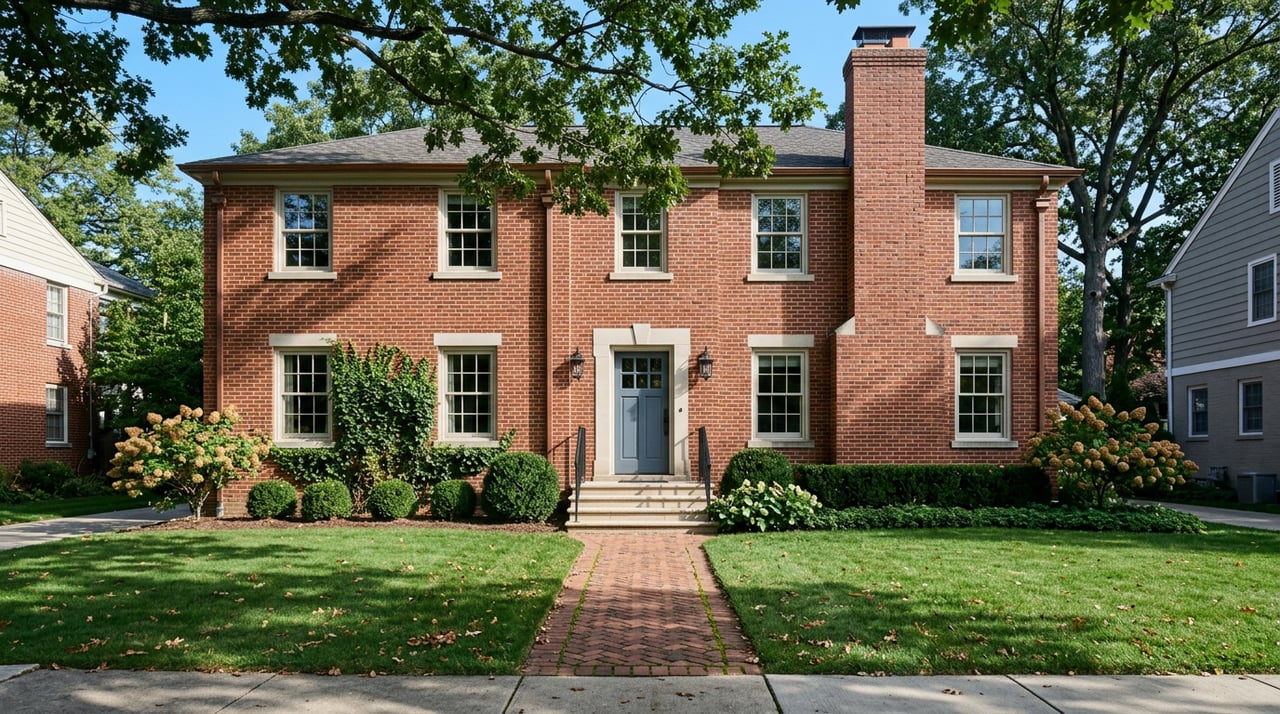
You can feel it when you walk in: a solid Arlington house with great bones, just waiting for the right plan. If you’re a move-up buyer or a small investor, your best deals often hide in older layouts, unfinished basements, and backyards that can take an addition. This guide shows you how to spot real, permitted upside in Arlington single-family homes and avoid the expensive surprises. You’ll learn what upgrades the market values, how county rules affect feasibility, and a step-by-step vetting workflow you can use before you write an offer. Let’s dive in.
Why Arlington rewards smart remodels
Arlington’s housing stock skews older, with a large share built from the 1940s through the 1960s. That age profile explains why you often see original kitchens, single-bath layouts, and dated systems that are ripe for improvement. You can confirm the age mix in public stats on Arlington housing by decade of construction from Infoplease’s census summaries (Arlington housing by decade).
The county has also updated residential rules to allow more housing types on some lots through its Expanded Housing Options policy. That change can influence land use and long-term value, especially if you are weighing a teardown versus addition strategy. You do need to verify eligibility and permit availability since the program includes standards and initial caps (EHO adoption summary).
High-upside upgrades to target
Floor plan rework
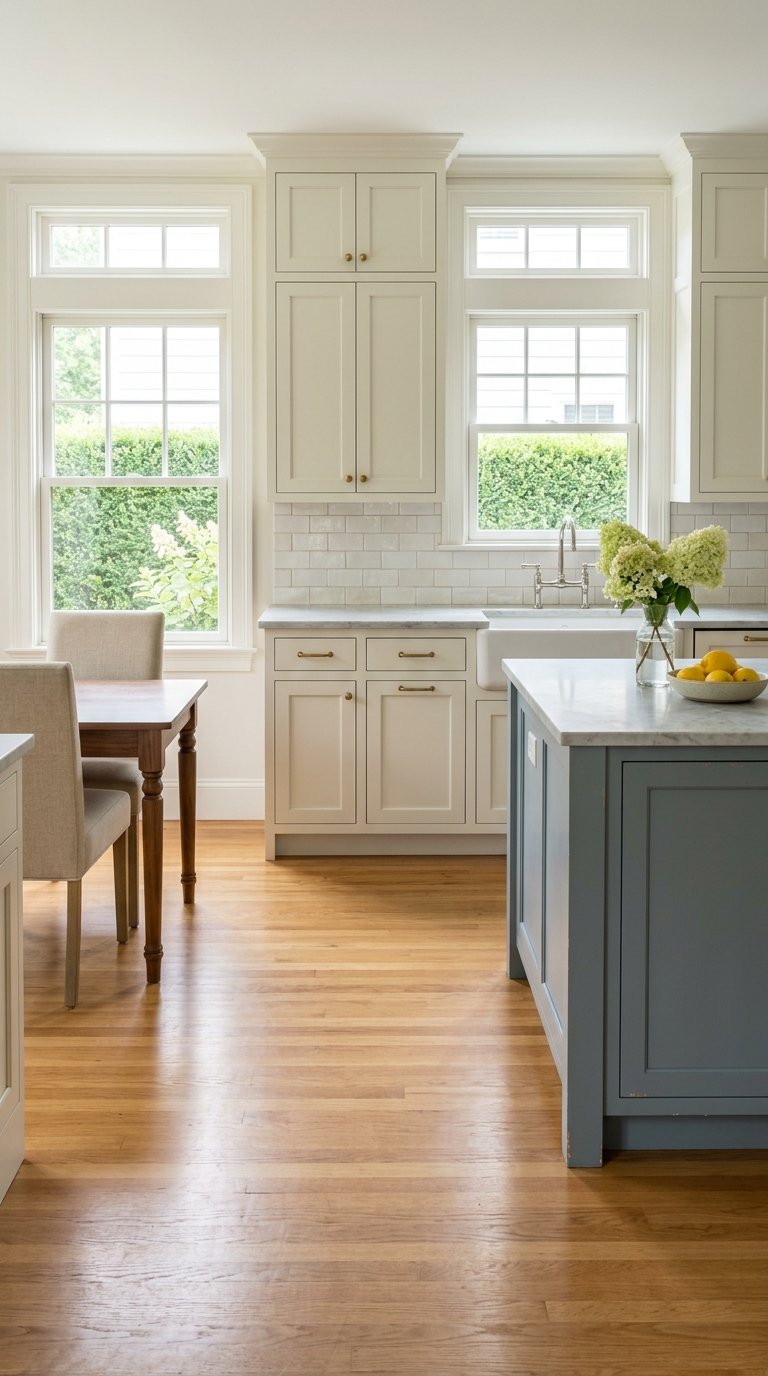
Many mid-century homes have small, compartmentalized main levels. Opening a kitchen to the dining or family area, removing non-loadbearing walls, and creating an island layout can deliver outsized appeal for a reasonable scope. Look for small kitchens next to a dining room or den, where reconfiguring plumbing and electrical stays efficient.
Primary suite improvements
If you see one small upstairs bath serving several bedrooms, explore a primary-suite conversion or a modest expansion that adds a second sink, a larger shower, or a walk-in closet. These updates tend to photograph well and resonate with today’s buyers. Confirm whether the existing stack, venting, and electrical service can support the change before you budget.
Basement finishing and improvements
Basements are common in Arlington. Finishing or upgrading a lower level can add livable square footage and rental or resale value when done to code. Plan for egress windows where required, proper insulation, and mechanical upgrades if the current system is undersized.
ADU or garage conversion potential
Under Arlington’s rules, a permitted accessory dwelling unit can create income or flexibility. Garages, walkout basements, and accessory structures are candidates if the lot and zoning qualify. Always verify eligibility, site plan needs, owner-occupancy requirements, and recording steps before you assume ADU income in your model (Arlington ADU guidance).
Systems and envelope updates
Buyers pay a premium for recently replaced roofs, windows, HVAC, water heaters, and electrical panels. In older homes, these items often appear in listing photos. If you see dated mechanicals or small sub-panels, budget for upgrades as part of your plan.
Lot and site possibilities
Rear additions, small second-story additions, and driveway reconfigurations are common in Arlington. The big watch-outs are stormwater thresholds, tree protection, setbacks, and any historic controls. If you cross certain land-disturbance limits or remove protected trees, your time and cost can rise quickly.
Hidden risks in older homes
Lead-based paint in pre-1978 homes
Federal rules require sellers to disclose known lead risks and give you an opportunity to test when the home predates 1978. If you plan to disturb painted surfaces, factor testing and safe-work practices into your budget. Read the EPA’s buyer guidance to understand your inspection window and disclosure rights (EPA lead disclosure rule).
Asbestos and vermiculite insulation
Many older homes used materials that may contain asbestos. Vermiculite attic insulation is a specific red flag. The EPA advises leaving it undisturbed until a qualified professional assesses it, which can affect both scope and schedule if your plans include attic work (EPA vermiculite guidance).
Electrical capacity and wiring
Mid-century homes often have undersized electrical service. Panel upgrades and new circuits are common when you rework kitchens, add HVAC, or finish basements. Look for older panels, fuses, or an abundance of extension cords in listing photos as clues that capacity may be tight.
Plumbing and sewer laterals
Original cast iron stacks and older sewer laterals can be near the end of their service life. When adding bathrooms or finishing basements, allow for potential lateral work. Disclosures and prior permits may indicate whether replacements were completed.
Radon in lower levels
Radon test kits are inexpensive compared to post-finish mitigation. Test before you invest heavily in a basement finish so you can plan for mitigation if needed.
Rules that change the math
Expanded Housing Options (EHO)
Arlington’s EHO policy permits duplexes, townhouses, and small multiplexes by right in several R zones, subject to standards and initial caps. This can alter teardown economics or create multi-unit paths on some lots. Because the policy is new and evolving, always verify current requirements and permit availability before you structure your deal (EHO adoption summary).
ADU eligibility and process
ADUs are allowed under defined rules with a specific application, owner-occupancy requirement, and recorded covenant. The county provides guidance and timing expectations once you submit a complete package. Confirm the zoning district and whether the home already has a caregiver suite that might meet criteria (Arlington ADU guidance).
Stormwater and land-disturbing thresholds
In Arlington, disturbing 2,500 square feet of land or more triggers a Land-Disturbing Activity permit and engineered stormwater controls. Even projects between 2,000 and 2,499 square feet require surveys and controls. Plan additions and construction access carefully. If you can keep your disturbed area under thresholds, you may avoid a major escalation in time and fees (LDA and stormwater FAQs).
Tree protection and mitigation
Tree conservation requirements can limit your addition footprint and add cost if removal or replacement is needed. The county may require tree protection plans and neighbor notifications for certain projects. Review the rules early so your design respects root zones and required mitigation (Tree protection FAQs).
Local historic districts
If a home sits in a local historic district or is individually designated, exterior changes usually need a Certificate of Appropriateness and public design review. This can influence materials, massing, and timeline. Always confirm historic status before you plan exterior work (Historic districts overview).
Read listings like a remodeler
Use this simple checklist when you scan Arlington listings. If you see several of these, plan for extra due diligence and possibly higher scope.
- Basics to confirm: Year built, lot size, zoning type, and any mention of “as is,” “no disclosures,” or “seller will not provide permits.” Then pull the county property record and house cards for prior additions and permits (how to find house cards).
- Photo red flags: Water stains, sagging ceilings, cracked masonry, sloped floors, many patched finishes, or odd ductwork runs. These can signal structural movement, past water intrusion, or aging systems.
- Roof and attic clues: Patchwork shingles or missing roof age in the listing. Attic photos showing loose-fill that looks like vermiculite should trigger asbestos caution.
- Kitchen and bath cues: Small, closed-off kitchens with original cabinets, older appliances, and basic tile are efficient rework targets. Utility-room photos that show small furnaces, old water heaters, or sub-panels suggest system upgrades ahead.
- Exterior and site tells: Large mature trees close to an addition footprint, retaining walls, low yard slopes, or pooled water can all influence stormwater and grading. Factor in possible LDA permits and tree protection.
Step-by-step vetting workflow
- Quick MLS filter. Check year built, lot size, number of baths, and basement claims. If the home predates 1978, flag lead testing and your 10-day inspection right (EPA lead disclosure rule).
- Pull property history. Use the county record and house cards to confirm year built, prior additions, and any archived permit notes (find house cards).
- Review permit history. Look for building and trade permits for major work. Missing permits for visible remodels are a red flag and may affect financing or resale.
- Confirm zoning and EHO/ADU paths. If the lot is in an R zone included in EHO, note potential by-right options and caps. Do not underwrite added units until you confirm eligibility and current rules (EHO adoption summary).
- Check historic status. If in a local historic district, expect a Certificate of Appropriateness for exterior changes (Historic districts overview).
- Order targeted environmental testing. For pre-1978 homes or when photos suggest suspect materials, schedule lead and asbestos sampling. Treat vermiculite insulation as suspect until a professional assessment (EPA vermiculite guidance).
- Model stormwater and tree impacts. If your plan plus construction access approaches 2,000 to 2,500 square feet of disturbance, budget for LDA permits and tree mitigation (LDA and stormwater FAQs).
- Pre-offer consult and inspections. Conduct a pre-inspection focused on major systems and request seller records for permits, warranties, and invoices. If planning structural changes, get a quick architect or contractor read on scope, likely permits, and a rough timeline.
Budget and timeline pivots
The right project plan turns an average listing into a strong performer. Watch these variables because they can shift your budget and schedule the most:
- Land-disturbance triggers that require engineered stormwater solutions.
- Tree protection and replacement that limit addition footprints.
- Electrical service and panel capacity when adding HVAC or reworking kitchens.
- Sewer lateral condition when adding baths or finishing basements.
- Historic district reviews that add design and review steps.
Partner with a remodel-savvy advisor
Finding upside is part art and part process. The homes with the best potential are not always obvious in photos, and the fastest wins come from planning that respects Arlington’s rules while focusing on high-impact updates. If you want a tailored search, a realistic scope, and a plan to capture value with less risk, let’s talk. Book a free consultation with Dallen Russell. Coffee’s on me.
FAQs
What counts as good open-plan potential in Arlington?
- Look for a small kitchen that shares a wall with a dining room or den, where removing non-loadbearing walls and reworking electrical and plumbing can create flow without heavy structural work.
How does Arlington’s EHO affect my teardown plan?
- EHO allows more housing types on some R-zoned lots, which can change the highest-and-best use, but it includes specific standards and early caps, so verify current eligibility and availability before modeling returns.
What is the 2,500-square-foot land-disturbance trigger?
- If your project disturbs 2,500 square feet or more, you will need an LDA permit and engineered stormwater controls, and even 2,000 to 2,499 square feet brings surveys and controls, which can add time and cost.
Are ADUs allowed on every Arlington single-family lot?
- No. ADUs are allowed under defined eligibility rules with an application, owner-occupancy, and a recorded covenant, so confirm zoning and requirements before assuming rental income in your model.
How do I check if a home is in a local historic district?
- Use Arlington’s historic districts resources to confirm status; if designated, expect a Certificate of Appropriateness for exterior changes and plan materials and massing accordingly.
What should I do if I see vermiculite insulation in the attic?
- Treat it as potentially asbestos-containing and avoid disturbing it until a qualified professional assesses it, since testing and remediation can affect your scope and schedule.