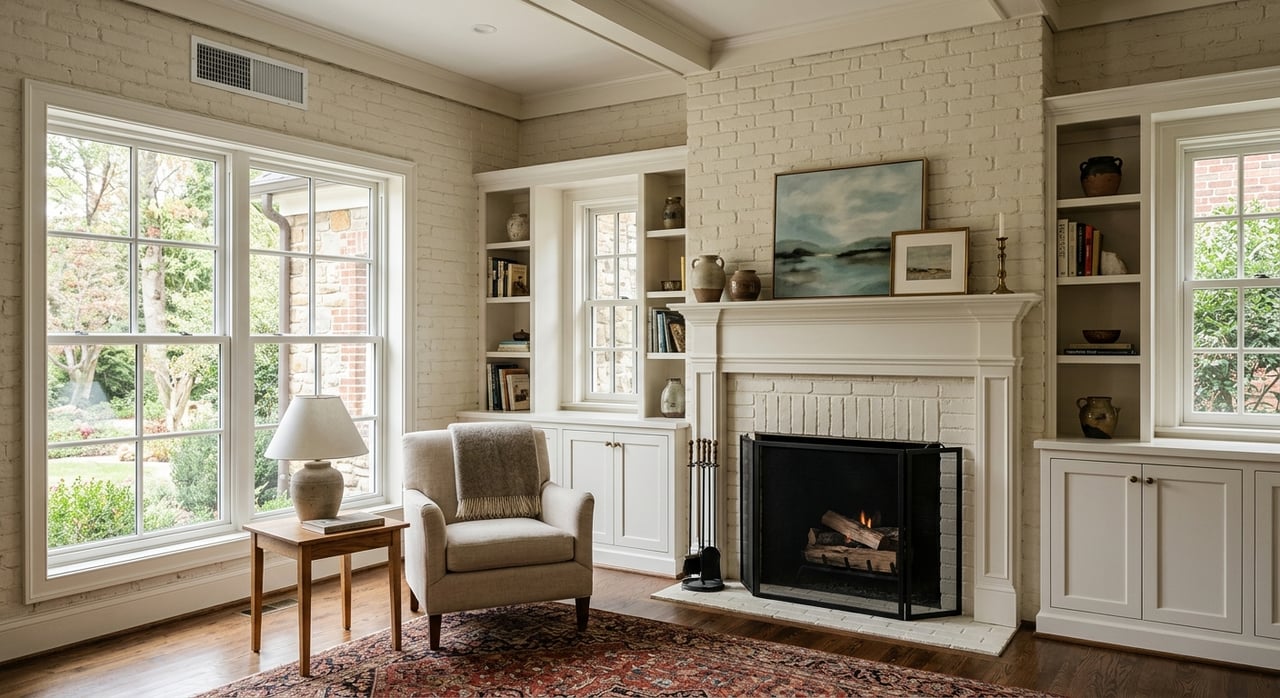
Wondering whether a brand-new home or an older property makes more sense in Arlington? You are not alone. In a market where location, housing type, and renovation potential can pull you in different directions, the right choice often comes down to how you want to live and how much uncertainty you are willing to manage. This guide breaks down the real trade-offs in Arlington so you can make a smarter, more confident decision. Let’s dive in.
Arlington Housing Reality
If you picture new construction in Arlington as rows of brand-new detached houses, the local market can be surprising. Arlington is an urban county of about 26 square miles with 127,090 housing units, and 73% of those units are multifamily apartments or condos.
That matters because nearly all recent housing growth has been multifamily. Arlington reports that 99% of net new housing growth since 2020 has been multifamily, and future development is largely concentrated along transit corridors. In practical terms, if you want new construction in Arlington, you will often be looking at a condo, apartment-style building, or corridor infill project rather than a newly built detached house.
What New Construction Usually Means
In Arlington, new construction often offers predictability. Because these homes and buildings start with current standards and newer components, they can reduce some of the early maintenance surprises that come with older properties.
New homes and apartments also tend to perform better on energy use. ENERGY STAR-certified new homes and apartments are independently verified and designed to exceed minimum energy code requirements by at least 10%, with attention to insulation, windows, air sealing, and HVAC systems.
That does not mean every new property is the same. But in general, newer construction gives you a clearer baseline for systems, building performance, and code compliance. Arlington’s permit system is also designed to ensure construction and demolition meet safety, health, zoning, and environmental standards.
Pros of New Construction in Arlington
- More likely to reflect current building standards
- Newer HVAC, windows, roofing, and major components
- Better odds of stronger insulation and air sealing
- Fewer near-term repair variables during the first years of ownership
- A straightforward option if you want low renovation involvement
Trade-Offs to Consider
- New construction options are often multifamily, not detached homes
- You may have fewer choices if you want a brand-new single-family house
- A higher purchase price can mean a higher annual tax bill
Arlington’s FY 2027 real estate tax rate is $1.053 per $100 of assessed value, and the county calculates tax by multiplying the assessment by the rate. So if a new build carries a higher assessed value than an older home, your annual tax expense will usually be higher as well.
What Older Homes Can Offer
Older homes in Arlington often appeal to buyers who care most about location, character, or renovation upside. In many cases, these homes sit in established parts of the county where the housing stock has deeper roots and more variety in layout and architecture.
The age mix also varies a lot by area. Arlington’s current profile shows that pre-1960 residential units make up 12.7% of units in Rosslyn-Ballston, 43.6% in Columbia Pike, and 46.0% in Langston Boulevard. That tells you quickly that your experience shopping for older housing will differ depending on where you focus your search.
Older does not automatically mean problematic. But it does usually mean you need to ask more questions about insulation, air sealing, systems, prior work, and what future changes are actually feasible.
Pros of Older Homes in Arlington
- Access to established locations and mature housing stock
- More opportunity to personalize through renovation
- Potential for layout changes or additions in some cases
- A lower purchase price than a comparable new build in some situations
Trade-Offs to Consider
- More uncertainty around original or mixed-era systems
- Possible energy performance gaps compared with newer construction
- More due diligence needed before you buy
- Renovation work may trigger permits, zoning review, or other approvals
The Department of Energy notes that older homes often have less insulation than homes built today. It recommends a whole-house energy assessment before making energy-saving improvements, which can be a smart first step if you are considering an older Arlington home.
Arlington Zoning Matters More Than Many Buyers Expect
One of the biggest differences between older and newer homes in Arlington is what you can actually do with the property after closing. Many one-family, semi-detached, and duplex homes built in the 1920s through early 1940s became nonconforming under the 1942 zoning ordinance.
That sounds technical, but it matters if you hope to expand, reconfigure, or significantly improve an older home. The good news is that Arlington says lot-coverage rules apply to both new construction and additions, and homeowners can often add to a nonconforming structure if setback and height rules are met.
The County Board has also eased restrictions on expanding and improving many nonconforming one- and two-family homes. So an older Arlington property may still offer meaningful renovation potential, but you need to confirm the rules before assuming a project will work.
What to Check Before Buying an Older Home
- Year built
- Permit history
- Zoning and lot coverage
- Whether the structure is nonconforming
- Local historic district status
- Lead disclosures if the home was built before 1978
- Whether a whole-house energy assessment makes sense
This is where practical renovation insight can make a real difference. A home may look like a great cosmetic project, but zoning, permit history, and systems can change the budget and timeline quickly.
Lead, Permits, and Historic Rules
If you are considering an older Arlington home, there are a few local and federal issues you should not treat as afterthoughts.
First, homes built before 1978 are more likely to contain lead-based paint. EPA says the federal disclosure rule applies to most pre-1978 housing before sale or lease, and buyers of most such housing have the right to know about lead hazards before signing.
Second, substantial remodel work in Arlington requires permits. The county says permits are required for construction, demolition, plumbing, land-disturbing activity, and similar work, and those permits create a legal record that can affect sale and insurance claims.
Third, some exterior changes face another layer of review. In local historic districts, Arlington requires a certificate of appropriateness for exterior alterations, new construction, and demolition, while routine maintenance, same-material repairs and replacements, interior alterations, and paint colors are exempt.
These are not reasons to avoid older homes. They are simply reasons to approach them with a clear process and realistic expectations.
When New Construction Makes More Sense
New construction is often the better fit when you want simplicity. If your priority is current-code construction, stronger energy performance, and fewer early maintenance variables, newer inventory can be a very attractive option.
This is especially true if your lifestyle lines up well with Arlington’s newer housing supply. Since most recent housing growth is multifamily, buyers who are open to condos or similar product types usually have a more direct path to newer construction than buyers searching for a newly built detached home.
You may also prefer new construction if you do not want to spend your first year coordinating contractors, planning phased upgrades, or working through permit-driven renovation decisions.
When an Older Home Makes More Sense
An older home often makes more sense when you are buying for location and long-term upside. If you are comfortable with a project, a well-located older property can create room for thoughtful improvements over time.
This route tends to work best when the lot and layout are workable, the renovation budget includes energy-related upgrades, and you are prepared for lead-safe practices if needed. In Arlington, county rules can still support meaningful additions to some nonconforming homes, so older does not automatically mean boxed in.
For buyers who appreciate established blocks, period details, or the chance to shape a home around their needs, older inventory can offer opportunities that newer construction simply cannot match.
A Practical Arlington Decision Framework
If you are torn between the two, keep your decision grounded in how you actually plan to use the home.
Ask yourself these questions:
- Do you want move-in ease, or are you comfortable managing a project?
- Are you open to a condo or multifamily building if that gets you newer construction?
- Is your priority energy performance and lower early maintenance risk?
- Would you trade predictability for a better location or renovation potential?
- Do you have room in your budget for permit-driven updates and system improvements?
- If the home is older, have you confirmed zoning, permit history, and historic district status?
In Arlington, there is rarely a one-size-fits-all answer. New construction usually buys you efficiency and a more predictable ownership experience. Older homes usually buy you access to established locations and the chance to create value through renovation, but only if you do the homework up front.
The best choice is the one that fits your timeline, budget, tolerance for uncertainty, and goals for the property over the next five to ten years.
If you want help comparing a newer condo against an older house with renovation potential, Dallen Russell brings a remodeler’s eye and a boutique advisory approach to the process. Book a free consultation. Coffee’s on me.
FAQs
Should you expect most new construction in Arlington to be detached homes?
- No. Arlington reports that 73% of its housing units are multifamily and that 99% of net new housing growth since 2020 has been multifamily, so new construction is often a condo or similar corridor infill product.
What should you check first before buying an older home in Arlington?
- Start with the year built, permit history, zoning and lot coverage, local historic district status, lead disclosures for pre-1978 homes, and whether a whole-house energy assessment is appropriate.
Can you expand an older nonconforming home in Arlington?
- In some cases, yes. Arlington says homeowners can often add to a nonconforming structure if setback and height rules are met, and the county has eased restrictions on expanding and improving many nonconforming one- and two-family homes.
Why can a new home in Arlington cost more to own each year?
- A higher-priced new build usually has a higher assessed value, which can lead to a larger annual tax bill under Arlington’s FY 2027 real estate tax rate of $1.053 per $100 of assessed value.
Why is lead a concern in older Arlington homes?
- Homes built before 1978 are more likely to contain lead-based paint, and buyers of most pre-1978 housing have the right to receive lead hazard information before signing.
When does new construction make more sense for Arlington buyers?
- It usually makes more sense when you value current-code construction, stronger energy performance, and fewer early maintenance variables more than lot size, historic character, or renovation flexibility.