Wondering which updates are actually worth doing before you sell in Chevy Chase? That is a smart question, especially in a market where buyers move quickly and notice condition right away. If you want to avoid overspending while still making your home stand out, the best approach is usually targeted, visible improvements. Let’s dive in.
Why targeted updates matter in Chevy Chase
Chevy Chase is a high-price, fast-moving market. Zillow places the average home value at about $1.26 million, with homes going pending in about 14 days and a median sale-to-list ratio of 0.988.
That tells you two things. First, well-presented homes can attract serious attention fast. Second, buyers are still paying close to asking price, but they are likely to compare condition, presentation, and overall freshness very carefully.
In other words, you do not always need a full renovation to compete well. You usually need a home that feels cared for, move-in ready, and easy to understand the moment a buyer sees the photos or walks through the front door.
Start with what buyers see first
The highest-value updates are often the least glamorous. Cleaning, decluttering, touch-up work, and thoughtful staging can shape a buyer’s first impression before they ever think about square footage or finishes.
NAR’s seller preparation guidance recommends cleaning windows, carpets, walls, light fixtures, and baseboards, along with improving curb appeal before listing. Its 2025 staging report also found that 83% of buyers’ agents said staging makes it easier for buyers to visualize a home.
That matters because buyers tend to respond to clarity. When rooms feel bright, open, and easy to place furniture in, your home feels more valuable without requiring a major construction project.
Focus on the rooms that carry the listing
If you are deciding where to spend your time and money, prioritize the spaces that show up strongest in photos and shape the showing experience.
NAR found that the living room, primary bedroom, and kitchen are the most important rooms to stage. That gives sellers a practical roadmap: spend where buyers are most likely to form an opinion.
A simple staging plan may include:
- Removing excess furniture
- Neutralizing bold decor
- Adding fresh bedding or towels
- Improving lamp and overhead lighting
- Creating clear walking paths
- Styling key surfaces lightly, not heavily
Professional staging had a median cost of $1,500 in NAR’s report, while agent-personally staged homes came in at $500. For many Chevy Chase sellers, that is a relatively small investment compared with the value of stronger marketing and cleaner buyer reactions.
Use cosmetic updates to create freshness
Some of the most effective pre-sale improvements are cosmetic and non-structural. In Montgomery County, painting, wallpapering, faucet replacement, countertop installation, floor coverings, and similar work usually do not require a permit.
That can be a major advantage if your timeline is short. You may be able to complete visible improvements without the delay, cost, and complexity that often come with larger projects.
Smart cosmetic updates before listing
These updates often offer a strong balance of speed, cost control, and buyer appeal:
- Fresh interior paint in a calm, neutral palette
- Repaired wall dings and trim touch-ups
- Updated light fixtures where older styles stand out
- New cabinet hardware if current hardware feels dated
- Faucet replacement in kitchens or baths
- Fresh floor coverings where wear is obvious
- Deep cleaning of windows, baseboards, and overlooked surfaces
These are not flashy upgrades. They are clarity upgrades. They help buyers focus on the home itself rather than the maintenance they think they will inherit.
Refresh kitchens and baths carefully
Kitchens and bathrooms matter, but not every remodel makes financial sense before a sale. In Chevy Chase, the better play is often a visible refresh rather than a major reconfiguration.
The Mid-Atlantic Cost vs. Value report shows why. A minor kitchen remodel cost about $28,832 and recouped 94.1% of cost, while a major kitchen remodel cost about $83,401 and recouped only 50.6%.
Bathrooms show a similar pattern. A midrange bath remodel cost about $27,407 and recouped 70.0%, while an upscale bath remodel dropped to 45.5%.
What a practical kitchen refresh looks like
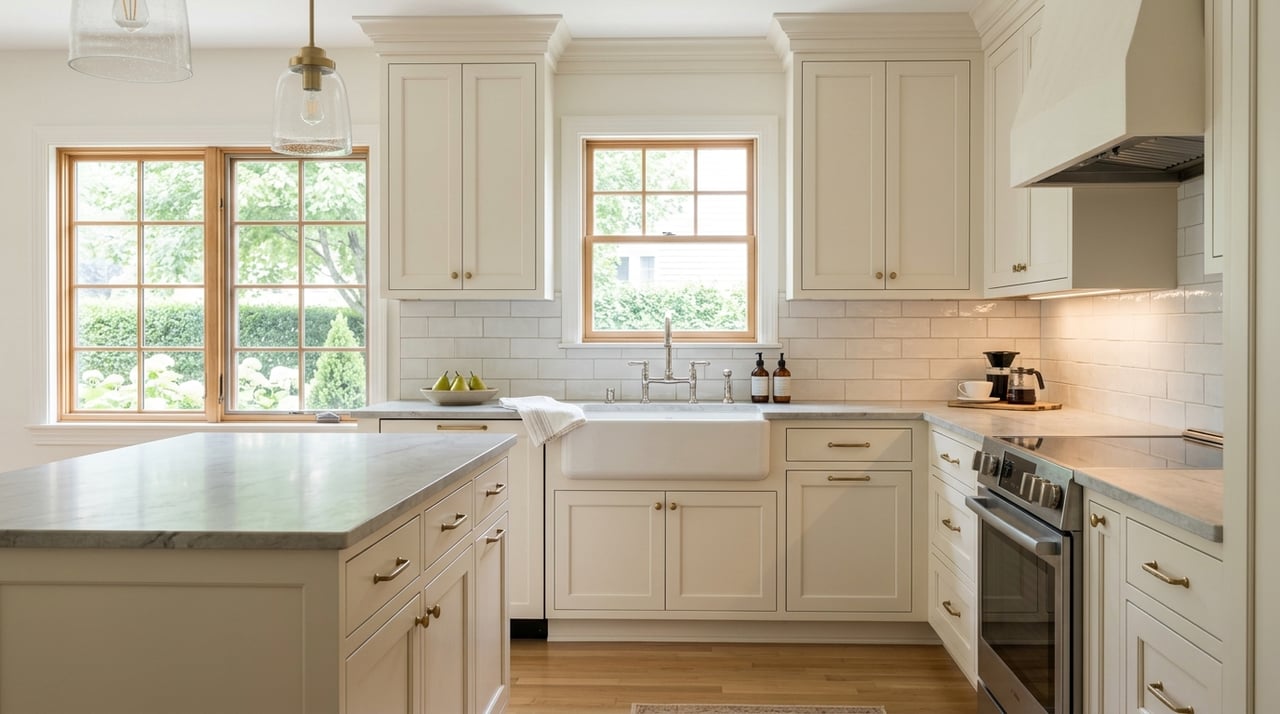
If your kitchen is functional but dated, focus on what buyers can see quickly. The goal is not to create your dream kitchen. The goal is to present a clean, current, well-maintained kitchen that supports your asking price.
A practical refresh may include:
- Painting walls and trim
- Updating hardware
- Replacing dated faucets
- Installing new countertops if existing ones feel tired
- Improving lighting
- Staging counters with restraint
- Repairing cosmetic wear on cabinets if needed
This kind of update can create a strong visual shift without taking on the cost and timeline of moving walls, changing layouts, or selecting high-end custom finishes.
Keep bathroom updates simple and visible
Bathrooms reward the same discipline. Buyers notice lighting, cleanliness, worn finishes, and whether the room feels fresh.
A smart bathroom refresh may include:
- Replacing faucets or hardware
- Updating mirrors or light fixtures
- Re-caulking where needed
- Refreshing paint
- Swapping in clean, simple accessories for photos and showings
These changes help the room feel better cared for. They also reduce the chance that buyers mentally overestimate what it would cost to improve the space later.
Be realistic about timelines
One of the biggest mistakes sellers make is assuming a larger remodel can be done quickly. The planning and construction timeline alone can make that risky if you hope to sell within 6 to 18 months.
Houzz’s 2026 study found that kitchen projects averaged 9.5 months of planning plus 5.8 months of construction. Primary bathroom projects averaged 8.4 months of planning and 4.8 months of construction.
That does not mean you should never renovate before selling. It means you should be selective and honest about the runway you actually have.
Improve curb appeal where it counts
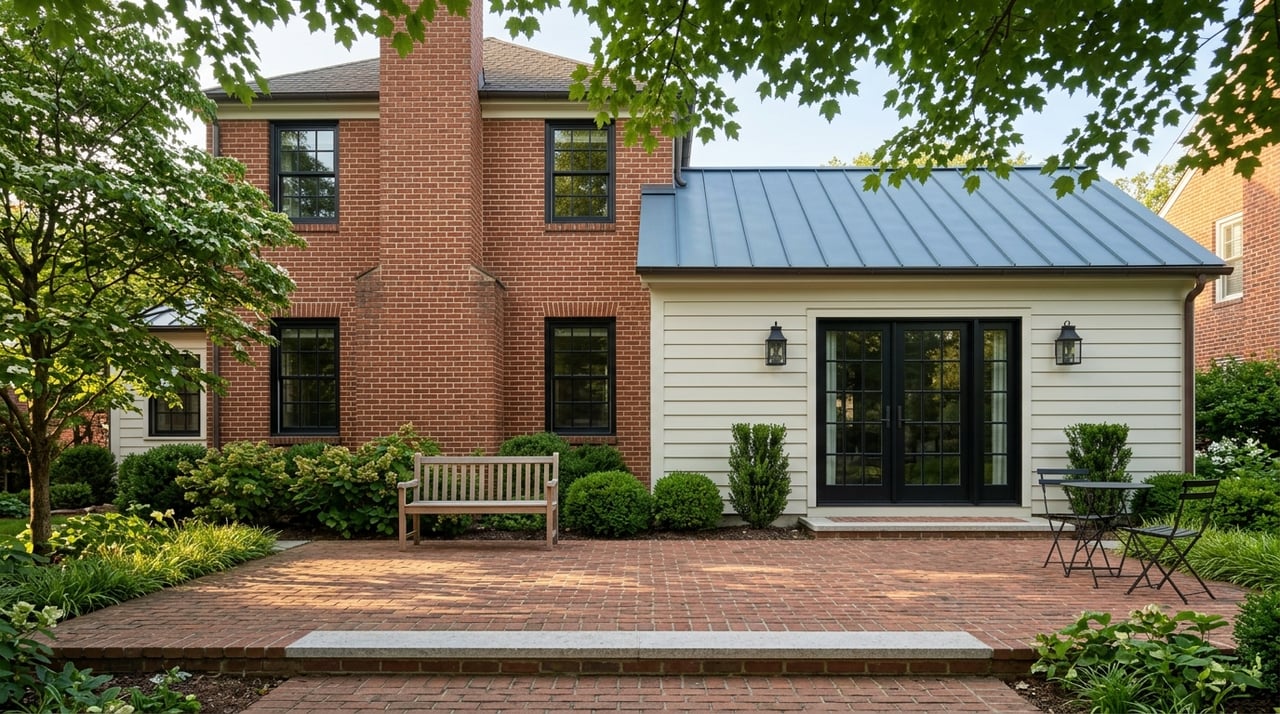
First impressions start outside. In a market like Chevy Chase, where buyers often make quick judgments, exterior polish can do a lot of work.
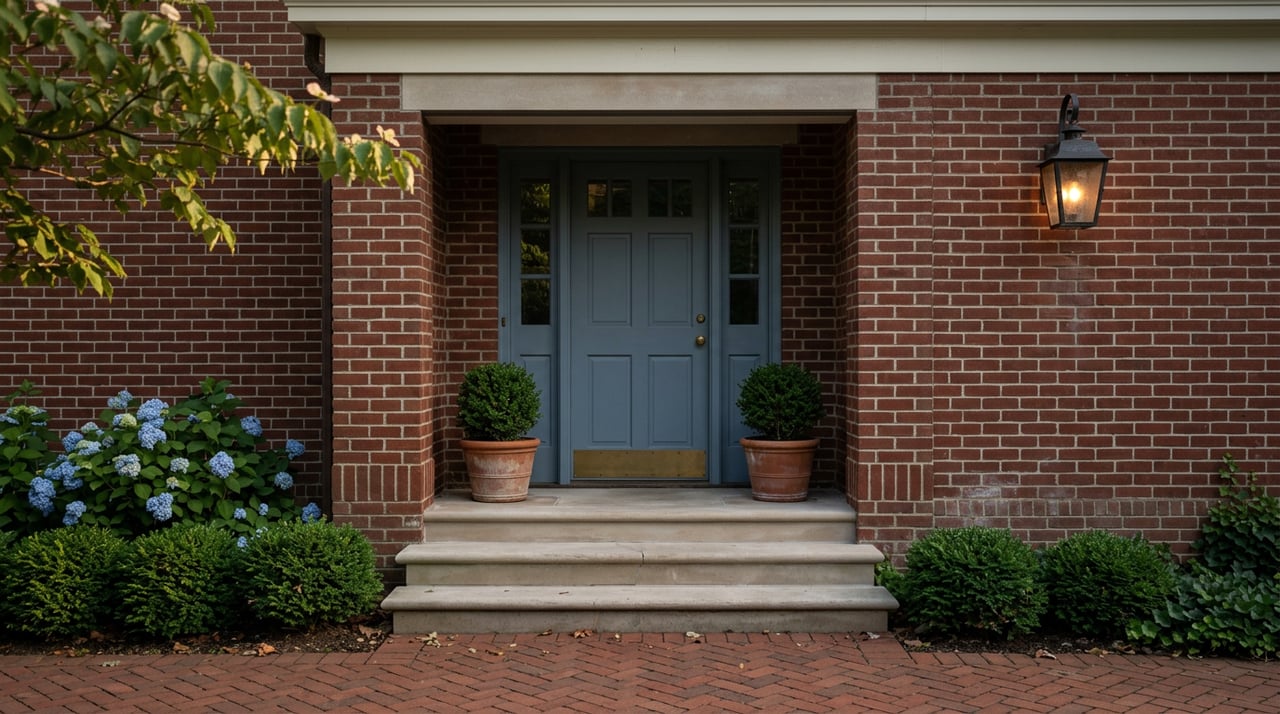
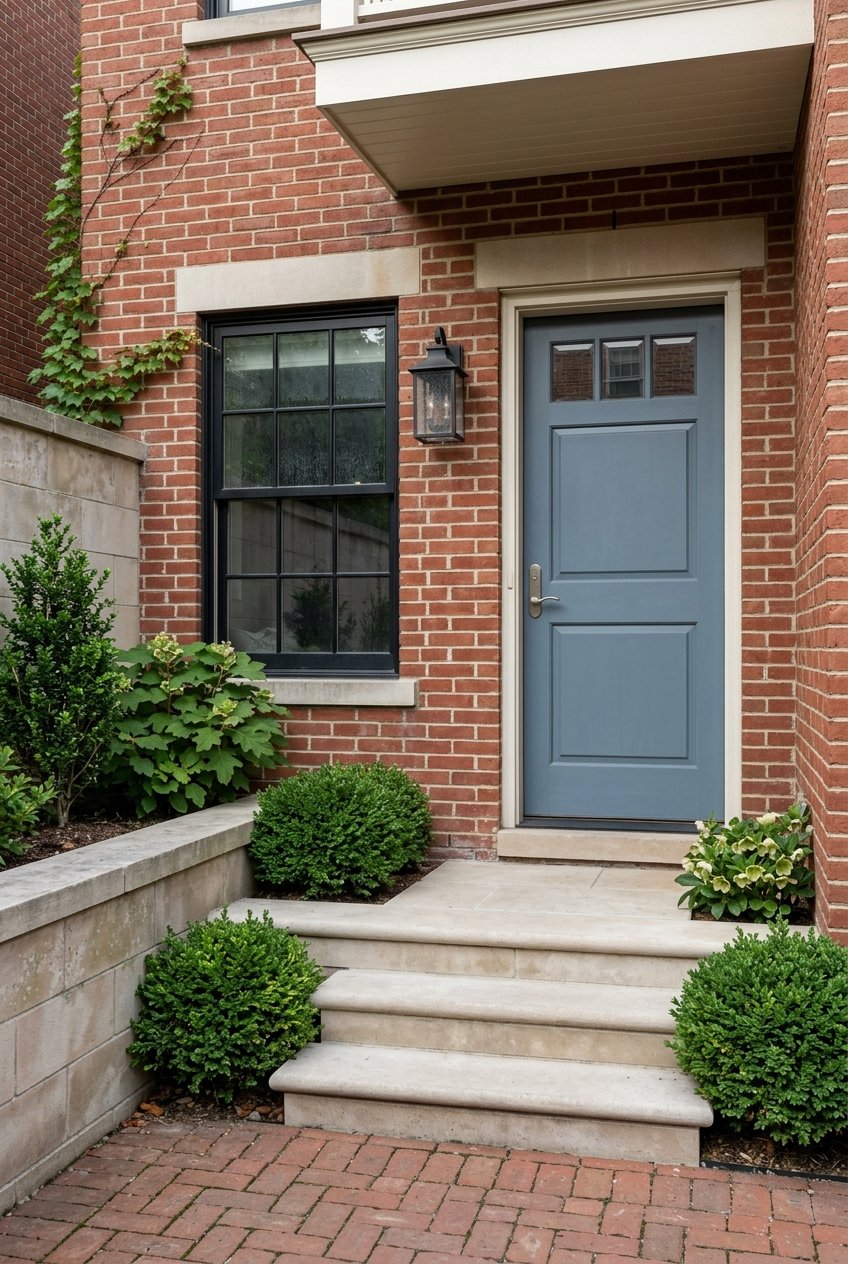
NAR reports that curb appeal matters to both buyers and agents. Its guidance specifically points to trimming plantings, adding flowers, replacing knobs and locks, cleaning windows, polishing house numbers, and upgrading outdoor lighting.
For many homes, the most effective exterior improvements are concentrated around the approach to the house. Buyers remember the walk, the front door, the lighting, and whether the property feels tidy and cared for.
Best exterior updates before selling
If you want targeted exterior impact, start here:
- Trim shrubs and tidy plantings
- Refresh mulch or simple seasonal color
- Clean windows and hard surfaces
- Upgrade outdoor lighting
- Replace worn knobs, locks, or house numbers
- Repaint the exterior if wear is obvious
- Refresh or replace the front door if it drags down the facade
Houzz reports a median spend of $2,500 for exterior painting and $3,000 for exterior doors. Those are manageable numbers compared with larger envelope work.
The Mid-Atlantic Cost vs. Value report also found unusually strong resale results for certain small exterior projects. A steel entry door replacement cost about $2,480 and recouped 158.6%, while a garage door replacement cost about $4,383 and recouped 203.6%.
Know which projects often underperform
Not every improvement is a smart pre-sale improvement. Large additions and high-end remodels often cost far more than they return, especially if your main goal is resale efficiency.
The Mid-Atlantic report found that an upscale primary suite addition cost about $358,980 and recouped only 24.7%. A midrange primary suite addition recouped 36.4%, and a bathroom addition recouped about 31.2%.
Even major and upscale kitchen remodels struggled compared with lighter-touch updates. That makes large custom work a poor fit for many sellers planning to list in the near future.
Condition-driven projects are different
Some expensive projects still matter if they affect marketability. Roofs, windows, and siding may not offer the strongest payback, but obvious wear can raise buyer concerns and complicate inspections.
The regional payback data is mixed: roofing replacement recouped about 46.5%, vinyl window replacement about 55.7%, wood windows about 57.0%, and fiber-cement siding about 77.3%. These are often better viewed as condition decisions than profit decisions.
If a big-ticket item is aging, it may help to gather replacement estimates before listing. That gives buyers context and can support more grounded negotiations.
A simple update plan by budget
If you are trying to decide how far to go, these planning bands can help you frame the conversation.
| Budget range | Typical scope | Best use before selling |
|---|---|---|
| $1,000 to $10,000 | Paint, cleaning, touch-ups, hardware, lighting, minor landscaping, staging | Best for most sellers seeking fast, visible impact |
| $25,000 to $30,000 | Minor kitchen remodel or midrange bath remodel | Best when a dated room could hold back price or buyer interest |
| $80,000 to $350,000+ | Major remodels, reconfigurations, additions | Usually best reserved for long-term ownership or homes with broader issues |
For many Chevy Chase sellers, the first bucket delivers the best balance of speed, simplicity, and resale impact. The second can work well when a kitchen or bath truly needs help. The third usually requires a longer hold period to make sense.
A practical rule of thumb for Chevy Chase sellers
If you plan to sell within the next 6 to 18 months, the safest pattern is usually simple. Fix visible defects, refresh what buyers will notice in photos and at the front door, and be cautious about large custom renovations.
That approach fits the local market pace, the strong value of staging and curb appeal, and the clear ROI gap between minor refreshes and major projects. It also helps you protect your time, reduce stress, and avoid spending heavily where buyers may not pay you back.
When you are unsure, it helps to walk the house with someone who can look at both the market story and the renovation math. That is often where the best listing strategy starts.
If you are thinking about selling in Chevy Chase and want help deciding which updates are worth it, Dallen Russell can help you build a practical, market-ready plan. Book a free consultation. Coffee’s on me.
FAQs
What home updates help a Chevy Chase home sell faster?
- Light cosmetic improvements often help the most, including cleaning, decluttering, fresh paint, touch-ups, staging, and curb appeal work at the entry and front walk.
Are kitchen remodels worth doing before selling a Chevy Chase home?
- A minor kitchen remodel is usually a better bet than a major one, based on Mid-Atlantic cost recovery data showing stronger returns for smaller, visible updates.
Do I need a permit for cosmetic home updates in Montgomery County?
- Many non-structural cosmetic projects, including painting, wallpapering, faucet replacement, countertop installation, and floor coverings, usually do not require a permit in Montgomery County.
Which exterior projects offer strong resale value before listing in Chevy Chase?
- Front-entry focused projects can perform well, especially lighting, fresh paint, tidy landscaping, and in some cases entry or garage door replacement.
Which pre-sale projects often do not pay off in Chevy Chase?
- Major additions, upscale remodels, and large custom reconfigurations often underperform for sellers planning to list within 6 to 18 months.
How far in advance should I start pre-sale renovations in Chevy Chase?
- Cosmetic work can often be done quickly, but kitchen and bathroom renovations may need many months of planning and construction, so larger projects should start early or be skipped.