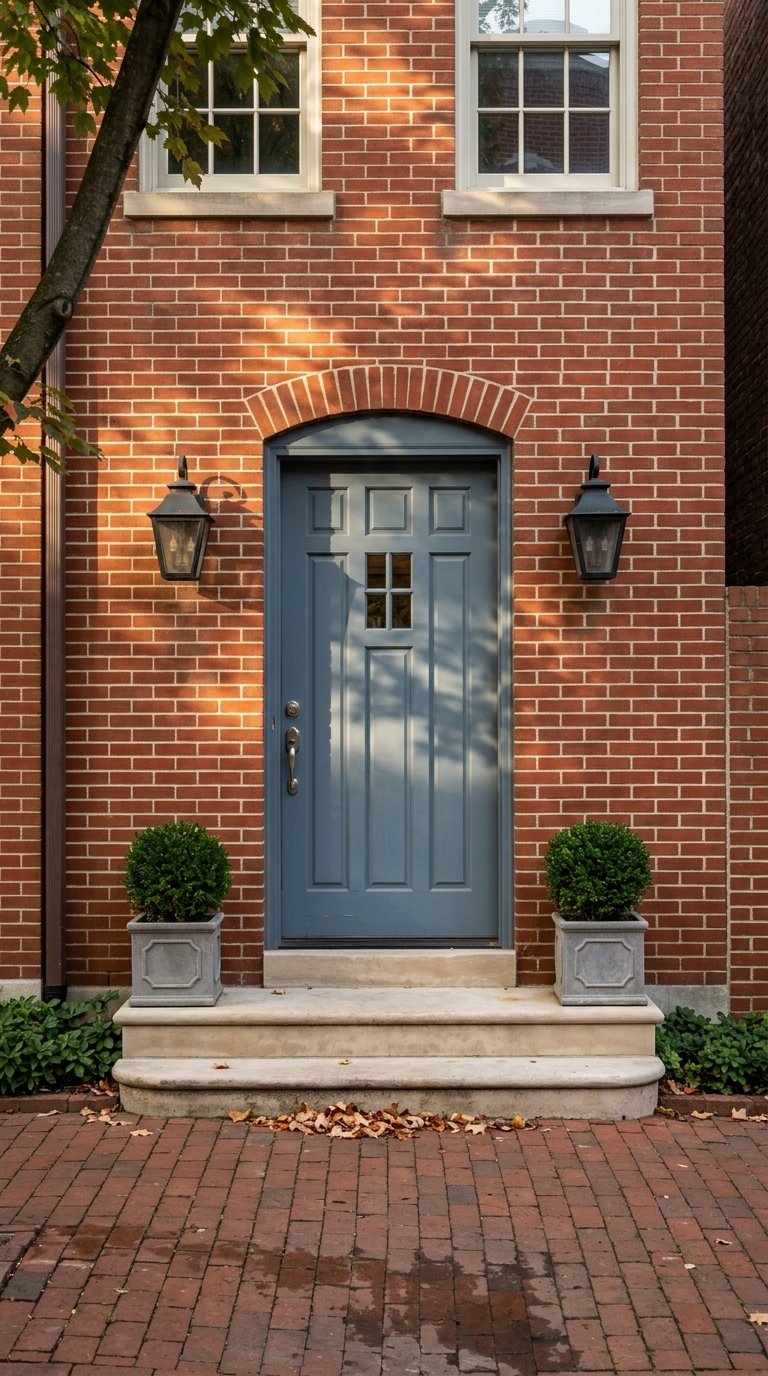
Wondering whether Bethesda feels more like a walkable city or a quiet residential retreat? The answer is: both, depending on where you land. If you are trying to choose between the energy of downtown and the calmer rhythm of Bethesda’s leafy residential pockets, it helps to understand how planning, housing, and daily routines really differ. Let’s dive in.
Why Bethesda Can Feel Like Two Places
Bethesda’s lifestyle split is not accidental. Montgomery Planning describes downtown Bethesda as a mixed-use, transit-served center, while the broader Bethesda-Chevy Chase area includes residential neighborhoods, parks, and trails.
That planning framework helps explain why one part of Bethesda feels compact and active, while another feels quieter and more traditional. A commercial transition zone buffers the core from nearby residential areas, so the shift can feel noticeable even within a short drive or walk.
In practical terms, downtown Bethesda functions more like an urban district than a typical suburb with a few shops. Bethesda Urban Partnership describes the core as a walkable mixed-use district with restaurants, retailers, arts venues, events, and mobility services concentrated in one area.
Downtown Bethesda Lifestyle
Daily Life Is More Walkable
If you want to step outside and have a lot within reach, downtown Bethesda is usually the stronger fit. The area is built around short trips, sidewalks, transit access, and a concentration of daily conveniences.
WMATA says Bethesda station is on the Red Line and includes accessible entrances and elevators, plus bike racks and lockers. The station has no parking, which reinforces the downtown pattern of transit-oriented living rather than a car-first routine.
Bethesda station is also within walking distance of Bethesda Row shopping and the Bethesda Trolley Trail. That means your day can be shaped more by walking and transit than by getting in the car for every errand.
Housing Trends Lean Vertical
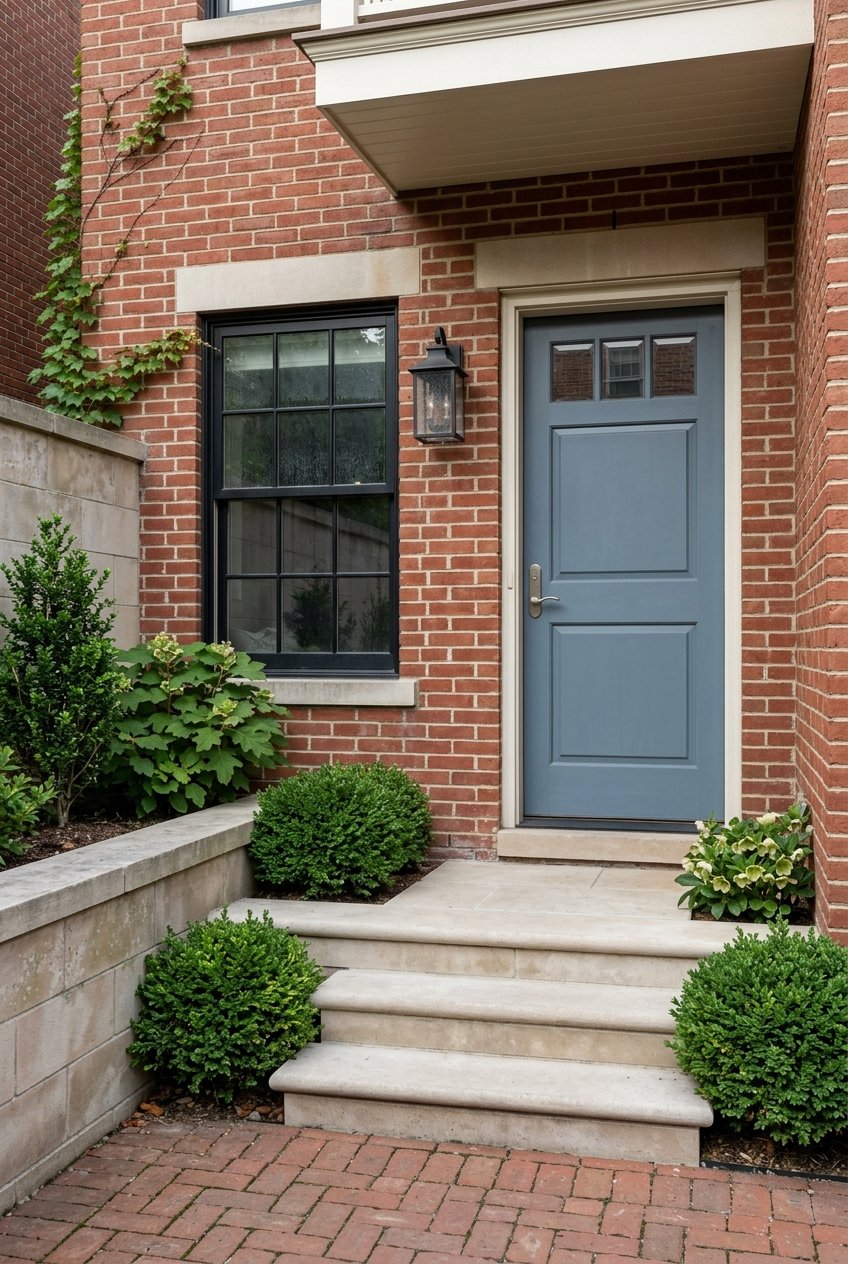
The housing mix downtown looks very different from Bethesda’s quieter residential streets. Montgomery Planning’s urban design guidelines say downtown mixed-use streets are typically lined by mid- to high-rise buildings and support multi-unit residential buildings.
For you as a buyer, that often means condo or apartment-style living rather than a detached home with a large yard. It can be a good match if you want lower exterior maintenance and easier access to shops, dining, and transit.
Bethesda Row is a clear example of this pattern. An EPA case study notes that the development combines substantial retail and restaurant space, office space, and 180 residences, with parking behind the shops to keep the street edge pedestrian-friendly.
Dining and Arts Are Part of the Routine
Downtown Bethesda also offers a different social rhythm. Bethesda Urban Partnership describes the area as a destination for ethnic restaurants, boutiques, and arts and entertainment venues.
It also manages the Bethesda Arts & Entertainment District, Gallery B, Studio B, and Triangle Art Studios. That concentration of arts programming helps give downtown a more curated, event-driven feel than the quieter residential parts of Bethesda.
If you like the idea of being close to public art, seasonal events, and a more active street scene, downtown may feel like a natural fit. Bethesda Urban Partnership says downtown’s public-art footprint spans 300 acres, which adds to that sense of activity and place-making.
Leafy Bethesda Lifestyle
Streets Feel More Residential
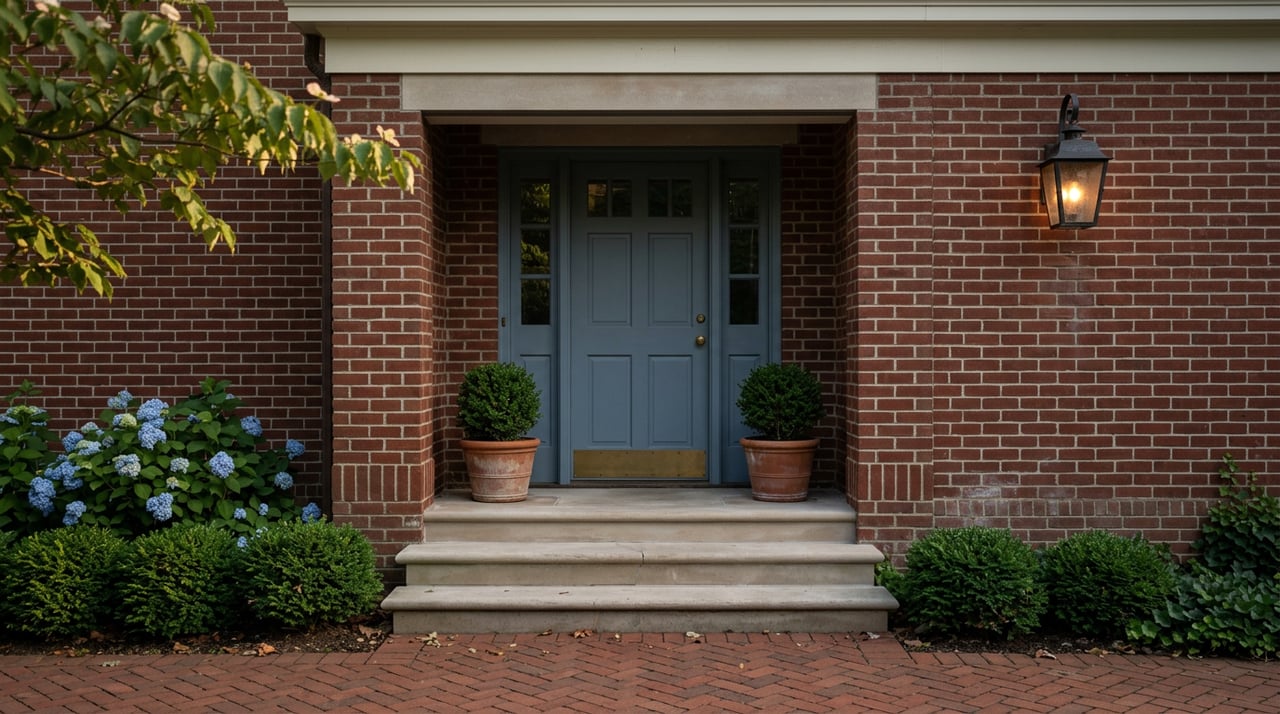
Outside the core, Bethesda shifts into a more traditional residential pattern. Montgomery Planning describes South Bethesda as an established residential community with tree-lined streetscapes and planted buffers.
The residential fabric in these quieter pockets is predominately single-unit houses, with some areas dating mainly from the 1950s and others featuring detached houses. That creates a different day-to-day experience from downtown’s denser blocks.
If you picture Bethesda as mature trees, more separation from commercial activity, and a calmer street presence, this is likely the version you have in mind. These neighborhoods tend to feel more tucked away, even while staying connected to the larger Bethesda area.
Homes Often Offer More Separation
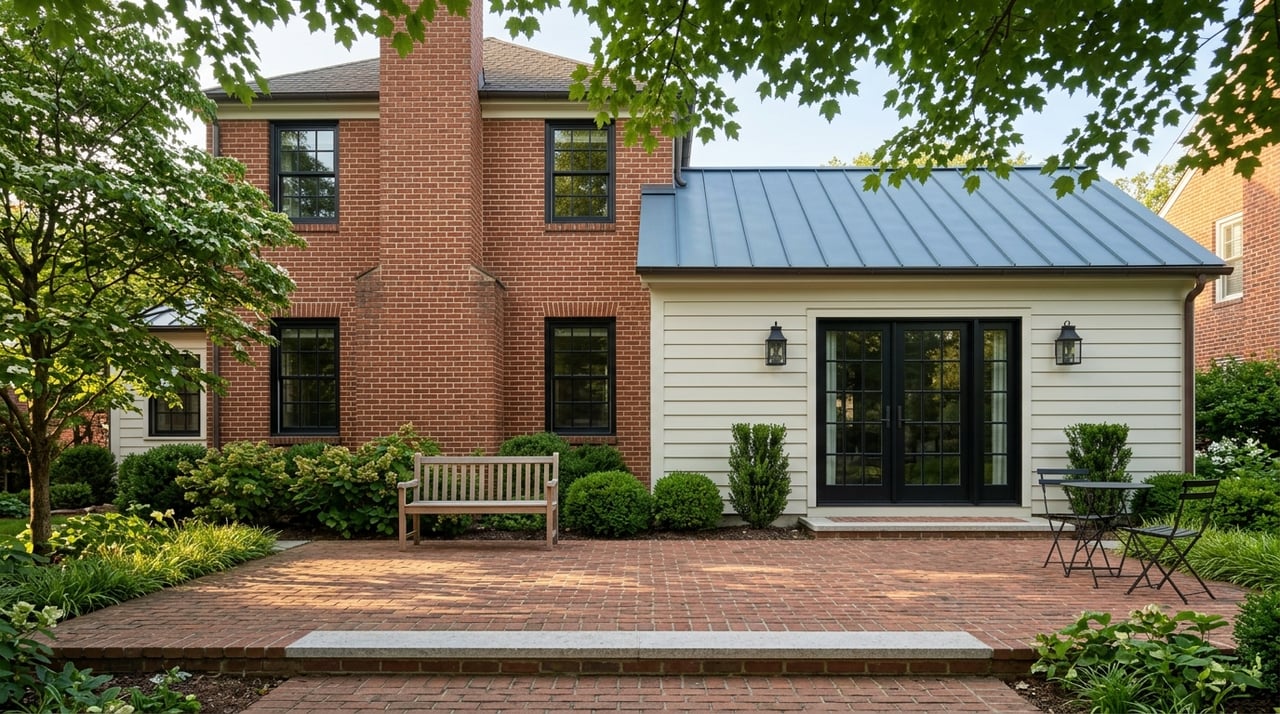
The biggest lifestyle difference may come down to space and privacy. In the leafy sections of Bethesda, the predominance of detached houses suggests a more traditional suburban setup with greater separation between homes and commercial uses.
That often appeals to buyers who want private outdoor space, a quieter setting, or simply a different pace at home. While exact lot sizes and home features vary by address, the planning pattern clearly differs from the mixed-use downtown core.
From a practical standpoint, this is also where it helps to think beyond appearance. If you are comparing an older detached home with a newer condo downtown, your choice may involve trade-offs in maintenance, renovation potential, systems, and long-term use of space.
Parks and Trails Support the Setting
A quieter setting does not mean disconnected. Montgomery Planning identifies Norwood Local Park, Meadowbrook Local Park, North Chevy Chase Local Park, and the Capital Crescent Trail as part of the broader Bethesda-Chevy Chase area.
These amenities support a lifestyle that feels more residential and outdoors-oriented. If your ideal weekend includes neighborhood walks, nearby green space, or trail access, the leafy pockets may better match that routine.
Is Downtown Bethesda All Concrete?
Not at all. While downtown is denser and more vertical, Montgomery Planning’s greening strategy emphasizes street trees, green corridors, green roofs, planted areas, streams, and community gardens.
The goal is to increase canopy and green cover in the urban core. So if you want walkability without giving up greenery entirely, downtown Bethesda is not simply towers and hardscape.
That said, the experience of greenery is still different. Downtown greenery tends to be woven into streetscapes, plazas, and planning features, while leafy Bethesda offers a more neighborhood-scale sense of trees, buffers, and park access.
Which Lifestyle Fits Your Priorities?
Choose Downtown If You Value Convenience
Downtown Bethesda is often the better fit if your priorities include:
- Walkability to daily needs
- Red Line transit access
- Condo or multi-unit living
- Close access to dining and arts
- A lower-maintenance lifestyle
This setup can work especially well if you want your neighborhood to do more of the heavy lifting for your routine. When restaurants, trails, and transit are close by, your daily pattern can feel simpler and more connected.
Choose Leafy Bethesda If You Value Space
The residential pockets around Bethesda are often the stronger fit if your priorities include:
- More space and privacy
- Detached-home living
- Tree-lined streets
- Nearby parks and trails
- A quieter residential feel
This side of Bethesda may appeal to you if home is where you want a clearer separation from activity. It can also open the door to longer-term improvement plans if you are thinking about updates, additions, or making a house work harder for your lifestyle over time.
A Smart Way to Compare Both
If you are deciding between downtown and leafy Bethesda, try comparing how each area supports your real routine, not just your ideal one. Think about how often you want to walk to dinner, how much outdoor space matters, whether transit access is important, and how much maintenance you are comfortable taking on.
It also helps to look closely at the housing itself. A condo downtown and a detached home in a residential pocket may differ not only in lifestyle, but also in upkeep, renovation flexibility, storage, and how the property may serve you over the next five to ten years.
That is where a more technical lens can be useful. A polished showing is one thing, but understanding layout trade-offs, improvement potential, and realistic upkeep is often what leads to the best long-term decision.
Whether you are drawn to the energy of downtown or the calm of Bethesda’s tree-lined streets, the right fit comes down to how you want to live day to day. If you want help weighing the trade-offs with a clear eye on lifestyle, home condition, and long-term value, Dallen Russell can help you sort through the options. Book a free consultation — Coffee’s on me.
FAQs
What is the main lifestyle difference between downtown Bethesda and leafy Bethesda?
- Downtown Bethesda is a denser, mixed-use, transit-served area with more walkability, dining, and arts nearby, while leafy Bethesda refers to quieter residential pockets with more detached homes, tree-lined streets, parks, and a more traditional neighborhood feel.
Is downtown Bethesda a good fit if you do not want to drive often?
- Yes. WMATA says Bethesda station is on the Red Line, and the downtown core is designed around walking, transit use, and short trips rather than station parking and car-first living.
Can you still find green space if you live in downtown Bethesda?
- Yes. Montgomery Planning’s downtown greening strategy includes street trees, green corridors, green roofs, planted areas, streams, and community gardens, and downtown is also close to trails such as the Bethesda Trolley Trail.
What types of homes are more common in leafy Bethesda residential areas?
- Montgomery Planning describes the quieter residential side of Bethesda as predominately single-unit houses, with established neighborhoods, tree-lined streetscapes, and planted buffers.
Which part of Bethesda may suit you better if you want more privacy and space?
- The leafy residential pockets are usually the better shortlist if you want more privacy, a quieter setting, and a more traditional detached-home environment.
Which part of Bethesda may suit you better if you want restaurants and arts close by?
- Downtown Bethesda is generally the better fit if you want immediate access to restaurants, boutiques, and arts and entertainment venues as part of your everyday routine.